Short answer
The 110 mph and 130 mph figures on a shingle wrapper are limited wind warranty speeds, not a promise about your roof. Most architectural shingles carry 110 mph as installed with the standard four nails, and the 130 mph number applies only when the crew uses the enhanced six nail pattern plus the manufacturer's own starter strip at both the eaves and the rakes. If your estimate does not say which of those two installations you are buying, you are buying the 110.
On this page
The 110 mph and 130 mph numbers printed on a shingle bundle are limited wind warranty speeds. They are not a measurement of your finished roof, and in most product lines they are the same shingle at two different installation specs. You get 110 mph with the standard four-nail pattern. You get 130 mph when the crew uses the enhanced six-nail pattern and the manufacturer's own starter strip along the eaves and up both rakes.
That is the whole difference, and it lives in the installation, not the box. Here is what the numbers mean, what earns the higher one, and what to make a contractor write down.
What the number on the shingle wrapper actually is
There are two separate things being quoted in roofing sales, and they get used interchangeably when they should not be.
The first is a test class. Asphalt shingles are tested under ASTM D3161, where a fan blows air across a mounted deck, and under ASTM D7158, which measures uplift on the shingle edge. D3161 Class F is the top class in that standard. D7158 Class H is the top class in that one. These are pass or fail classifications at a given speed under laboratory conditions, with new shingles sealed before testing.
The second is the limited wind warranty speed. That is the number in the marketing, 110 or 130, and it is a contractual promise from the manufacturer to cover shingles that blow off, for a stated period, if the roof was installed exactly to their published instructions. The two numbers do not always match, because the warranty is a business document and the class is a test result.
When a salesperson says a shingle is "rated 130," ask which document that comes from. A good answer names the product and offers you the data sheet.
How a shingle earns the 130 mph figure
Three conditions have to be met together. Miss one and you are back at the lower number, and nobody will tell you it happened.
Six nails instead of four
The standard pattern is four nails per shingle in the manufacturer's nail zone. The enhanced pattern is six. Two extra fasteners per shingle, across an entire roof, is thousands of additional nails, and it adds labor and material. That is why contractors quoting the lowest number quietly use four.
Nail placement matters as much as nail count. Nails driven above the nail line hold only the single shingle they pass through instead of pinning the course below it. Nails driven at an angle, overdriven through the mat, or left standing proud of the surface all reduce holding power. A high nail is the single most common fastening defect on a wind-damaged roof, and it is invisible from the ground after the next course covers it.
Factory starter strip at the eaves and the rakes
The starter course is the sealed edge that keeps wind from getting under the first row of shingles. Cutting up field shingles to make a starter is cheaper and it does not put the factory adhesive where the manufacturer's instructions put it. The enhanced wind coverage normally requires a purpose-made starter strip at the eaves and along both rake edges, because the rake is where the wind peels a roof first on a New Jersey gable.
The sealant strip has to actually seal
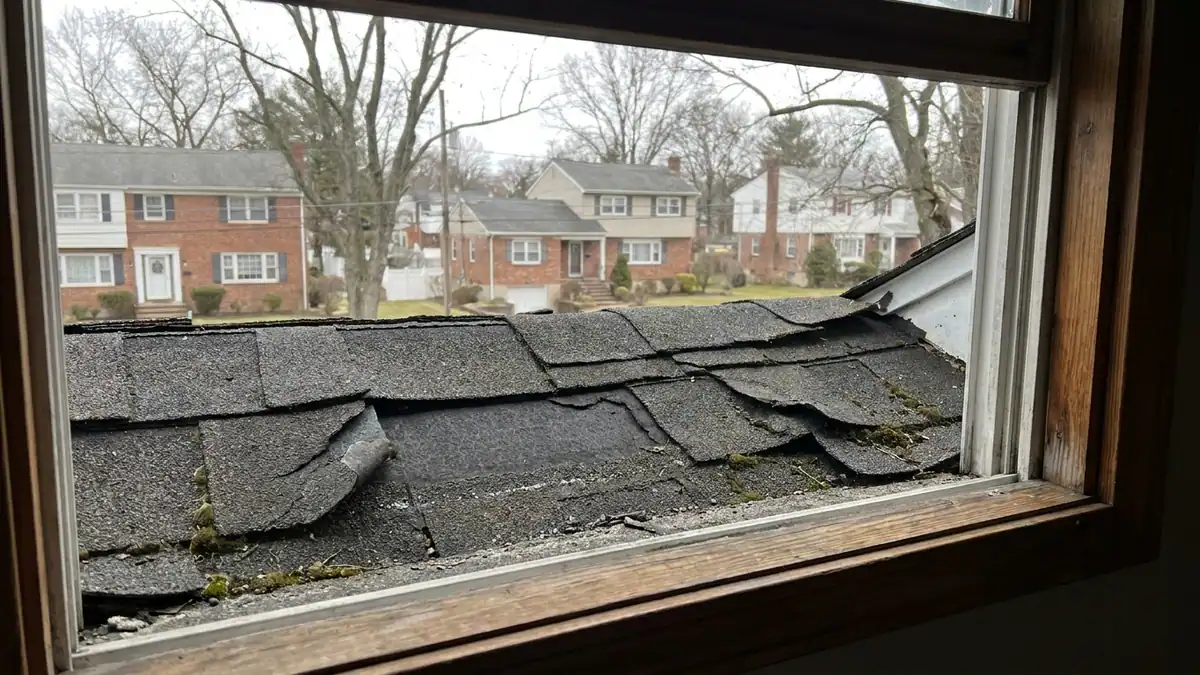
Every asphalt shingle relies on a heat-activated adhesive strip to bond each course to the one below it. In warm weather that happens in a day or two. In a cold-weather installation it can take until the first stretch of mild sun. Until it seals, the roof is holding on nails alone. A crew working in February on a windy slope will hand-seal courses with roofing cement where the instructions call for it. That step is in the manufacturer's literature, and skipping it is one reason a brand new roof loses shingles in a March storm.
110 versus 130 side by side
| 110 mph installation | 130 mph installation | |
|---|---|---|
| Nails per shingle | 110 mph installation4 | 130 mph installation6 |
| Starter at eaves | 110 mph installationRequired | 130 mph installationRequired, factory product |
| Starter at rakes | 110 mph installationOften omitted | 130 mph installationRequired, factory product |
| Typical added cost | 110 mph installationBaseline | 130 mph installationModest labor and material |
| Where it matters most | 110 mph installationSheltered, low-slope-to-moderate roofs | 130 mph installationGable ends, corners, open exposure, coastal wind |
| What fails first without it | 110 mph installationRake courses and ridge cap | 130 mph installationLess, and later |
What New Jersey weather and code actually ask for
The New Jersey Uniform Construction Code requires a roof covering tested and labeled for the design wind speed at your site and installed according to the manufacturer's printed instructions. Those instructions are legally part of the installation. A roof fastened with four nails where the product requires six for the stated performance is not just a weaker roof, it is outside the instructions that the approval rests on.
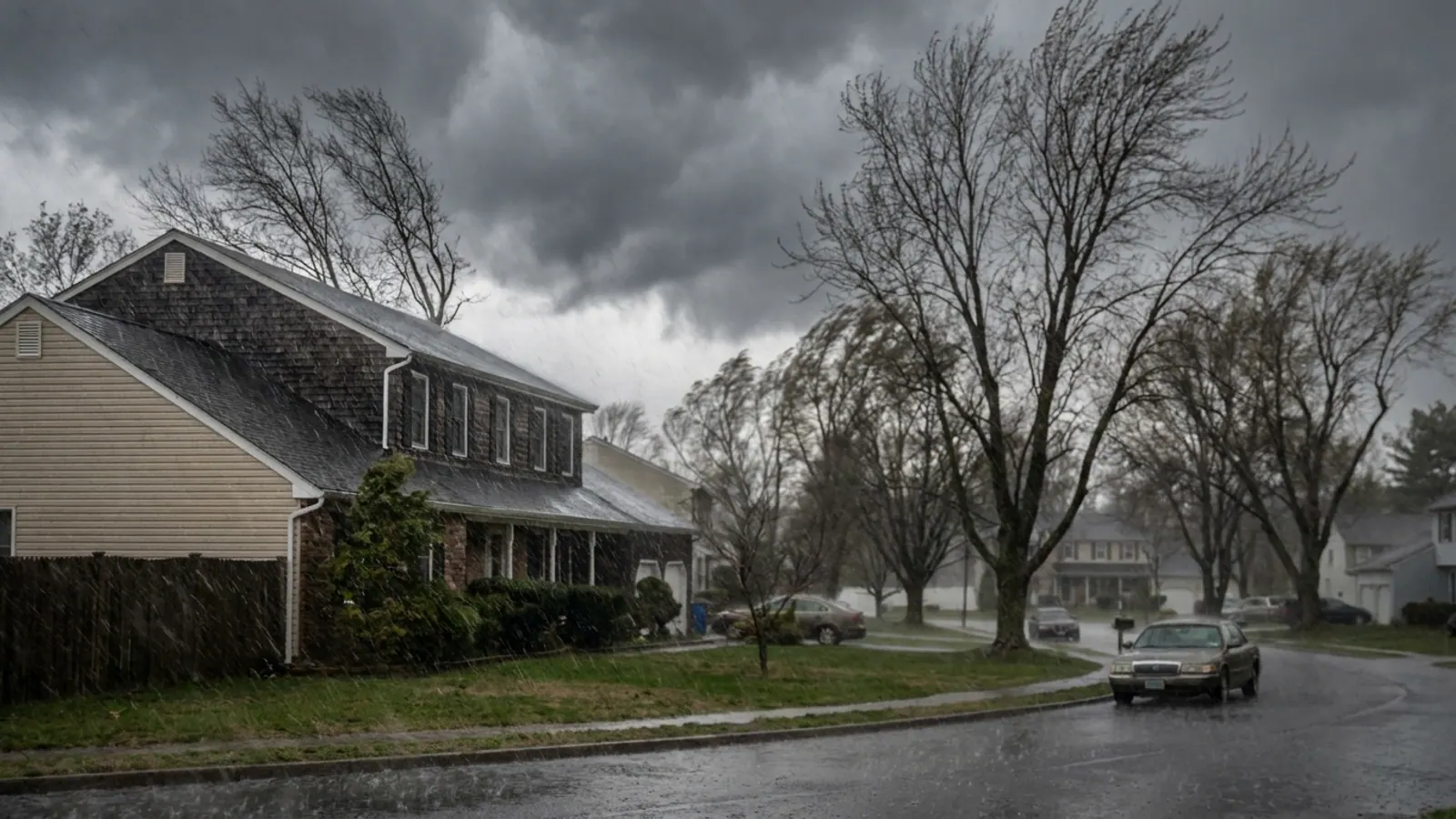
Exposure is the part homeowners underestimate. Two houses in the same town can see very different wind loading. A house tucked into a wooded lot with neighbors on both sides is not loaded the same as one on a corner lot with an open field behind it, a two-story gable facing southwest, and nothing upwind. Wind speeds up at the roof edge and separates at corners and rakes, which is why damage after a nor'easter almost always starts at the rake, the ridge and the first few courses above the eave rather than in the middle of a slope.
Along the coast the case for the enhanced pattern is easy. Salt, sustained onshore wind and tropical remnants hit the Jersey Shore housing stock hard, and the Jersey Shore roofing guide covers what else changes near the water, including fastener metals and edge detailing. Inland, the deciding factor is usually exposure and roof geometry, not the county line.
What a wind warranty does not do
It does not pay for your ceiling. Manufacturer wind coverage addresses shingles that blew off, for a limited period, and it is prorated after an initial window. It does not cover interior damage, it does not cover the flashing, and it does not cover anything the installer did wrong.
Installation failures are the contractor's problem, and that is covered by workmanship coverage, not by the manufacturer. In the first decade of a roof's life, nearly everything that goes wrong is an installation issue rather than a product defect, so the workmanship terms deserve more of your attention than the number on the wrapper. The roof warranty guide lays out how the two documents divide responsibility and what has to be in writing to keep both alive. Product lines and the accessory components that qualify for upgraded coverage are broken down in the GAF shingles guide.
What to ask for in writing before you sign
Ask for these five items on the estimate itself, not in an email and not verbally.
- The exact shingle product name and line, not a brand and a color.
- The nailing pattern, stated as four nails or six nails per shingle.
- The starter strip product and whether it runs the eaves only or the eaves and the rakes.
- The hip and ridge cap product, since cut field shingles used as cap are a common failure point in wind.
- The wind coverage you are buying, named as the speed the installation qualifies for.
If a contractor will not put the nailing pattern on paper, you have learned what you needed to know. A roof fastened with six nails and started correctly is not an exotic upgrade. It is a decision made before the first bundle goes up, and it cannot be fixed afterward without stripping the roof.
What to do next
If your current roof is losing shingles at the rake after storms, start by having the edges and the fastening looked at rather than patching the gaps one at a time. If you are already pricing a replacement, make the nailing pattern and the starter strip a line item on every quote you compare, because two bids on the same shingle can be two different roofs. Storm-related damage has its own sequence, and the storm damage guide walks through documentation before anyone touches the roof.
Lightning Construction is GAF Certified, licensed and insured, and works in all 21 New Jersey counties. The inspection and the written estimate are free and carry no obligation, and a salesperson does come to the house. There is no deposit, nothing is due until the work is finished and you have inspected it, and there are no change orders, so the written number is the final number. Lightning pulls the permit and attends the municipal inspection. Most asphalt replacements are torn off and finished in a single day.
See the roofing services page for what is included in a replacement, or request a free estimate and have the fastening spec written into the quote before you compare anything.