Short answer
Replacing one slope costs less than replacing the whole roof, but never half as much, because setup, tear-off staging, disposal, the permit and the crew day do not shrink in proportion to the shingles. On most New Jersey houses a single-slope job lands somewhere between a large repair and a full replacement, and the exact number depends on the slope's size, pitch, penetrations and how the ridge has to be tied back together. It is a sensible choice when one slope failed for a specific reason and the others still have real life left.
On this page
Replacing one slope costs less than replacing the whole roof, but it does not cost half. The shingles are the part that scales with area. The mobilization, the ground protection, the dumpster or trailer, the permit, the crew day and the cleanup do not. That is why a single-slope job on a typical New Jersey house usually prices out closer to two-thirds of a full replacement than to one-half of it.
That surprises people who have measured the roof and done the math. Below is what actually goes into the number, and the specific situations where doing one slope is the smart call instead of a half-measure.
Why one slope is not half the price of a full roof
A roof replacement has fixed costs and variable costs. The variable costs are shingles, underlayment, ice and water shield, nails, ridge cap and disposal weight. Those track roughly with the square footage you are touching.
The fixed costs do not move much at all:
- Getting the crew, the truck and the material delivery to your house on the same morning.
- Tarping and protecting the landscaping, the driveway and the siding below the work area.
- The dumpster or dump trailer, which is delivered and hauled whether it leaves half full or full.
- The permit and the municipal inspection.
- The magnet sweep and cleanup at the end of the day.
- The supervision and the warranty paperwork.
On top of that, a partial job adds work a full job does not have. The crew has to terminate the new roof cleanly where it meets the old one, which normally means opening the ridge, removing existing cap shingles on the untouched side, weaving the new material in and re-capping. That is labor that exists only because you stopped halfway.
What drives the price of a single-slope replacement
The slope's area is only one input. These matter as much or more:
- Pitch. A steep slope slows everything down and changes how the crew stages and ties off. Steeper costs more per square foot of the same area.
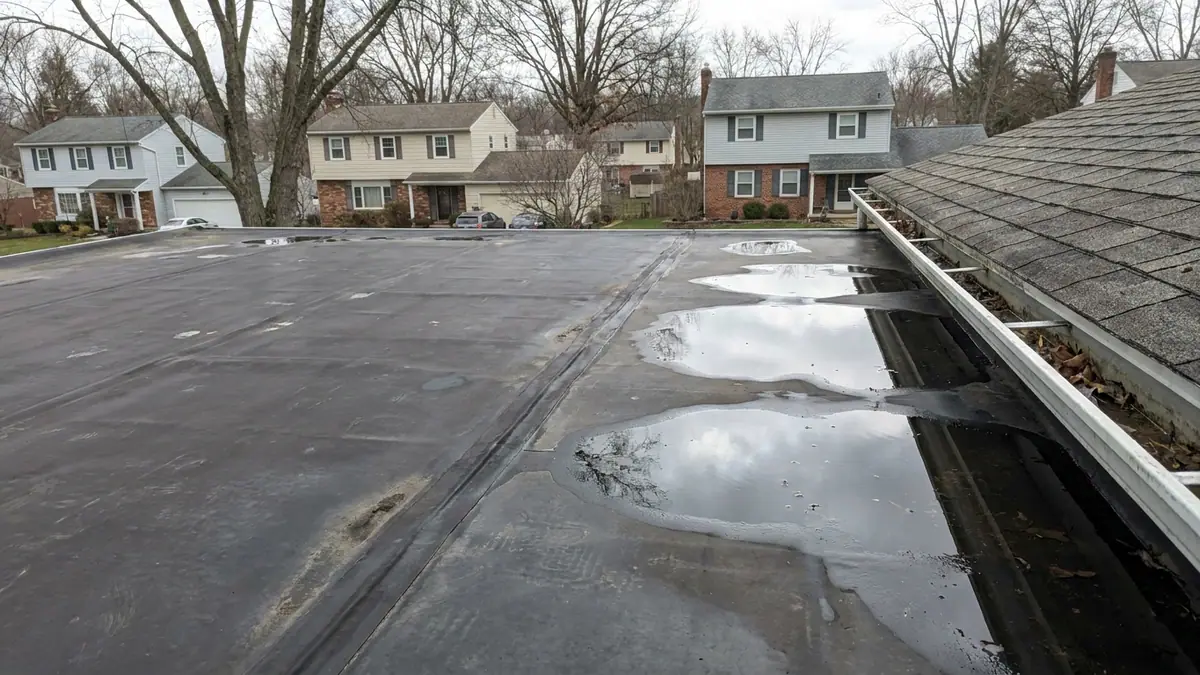
- Penetrations and flashing. A slope with a chimney, two plumbing vents, a bath fan and a skylight has far more detail work than a clean rectangular back slope with nothing on it.
- Valleys and hips. If the slope you are replacing meets another roof plane in a valley, that valley has to be rebuilt and it touches the slope you are not replacing.
- Decking condition. Soft, delaminated or broken sheathing has to come out. On a roof old enough to be replaced one slope at a time, some is likely.
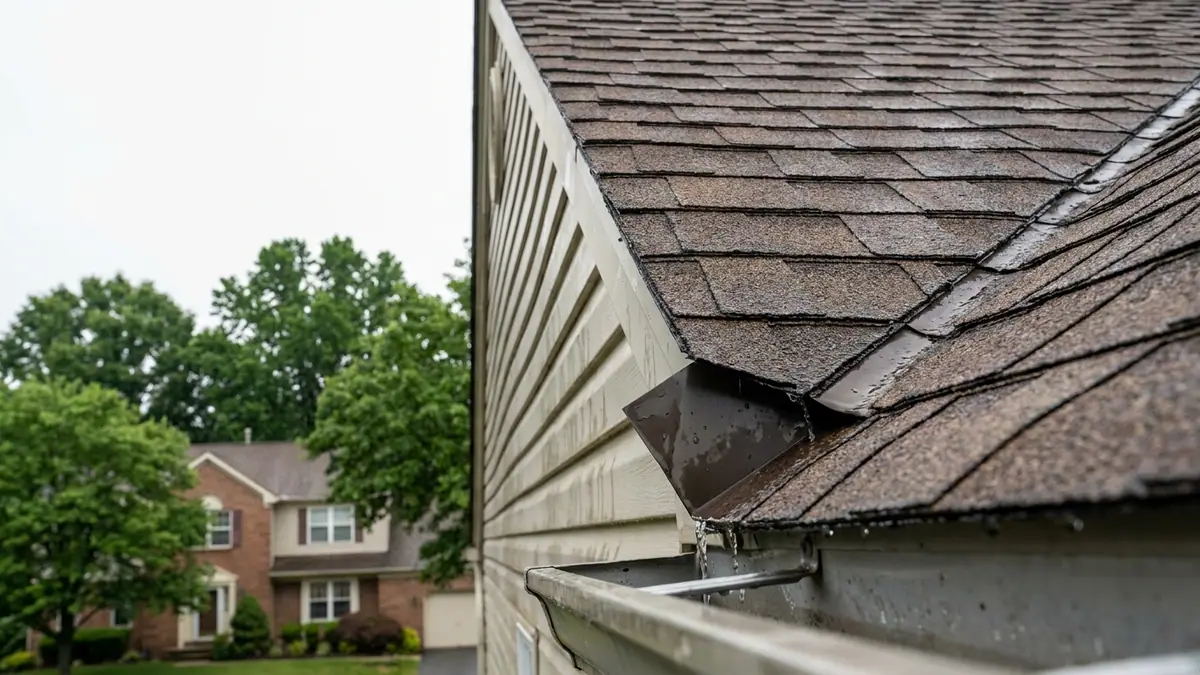
- What is at the eave. Drip edge, gutter apron, ice and water shield and the gutter itself are usually part of the scope on the slope being done.
- Layers. A second layer of old shingles doubles the tear-off and the disposal weight for that slope.
For context on the full-roof numbers those partials are measured against, most asphalt replacements in New Jersey run $9,000 to $22,000 in standard-value towns, $14,000 to $35,000 in higher-value towns, and $25,000 to $60,000 for large or luxury homes. The band comes from the municipality's median home value using ACS 2024 five-year estimates. The New Jersey roof cost guide breaks down what moves a house within its band. A single-slope price is quoted off the real work on that slope, not off a fraction of those ranges, so do not let anyone divide a number over the phone and call it an estimate.
When replacing one slope is the right call
There are real cases where it is the correct, honest recommendation.
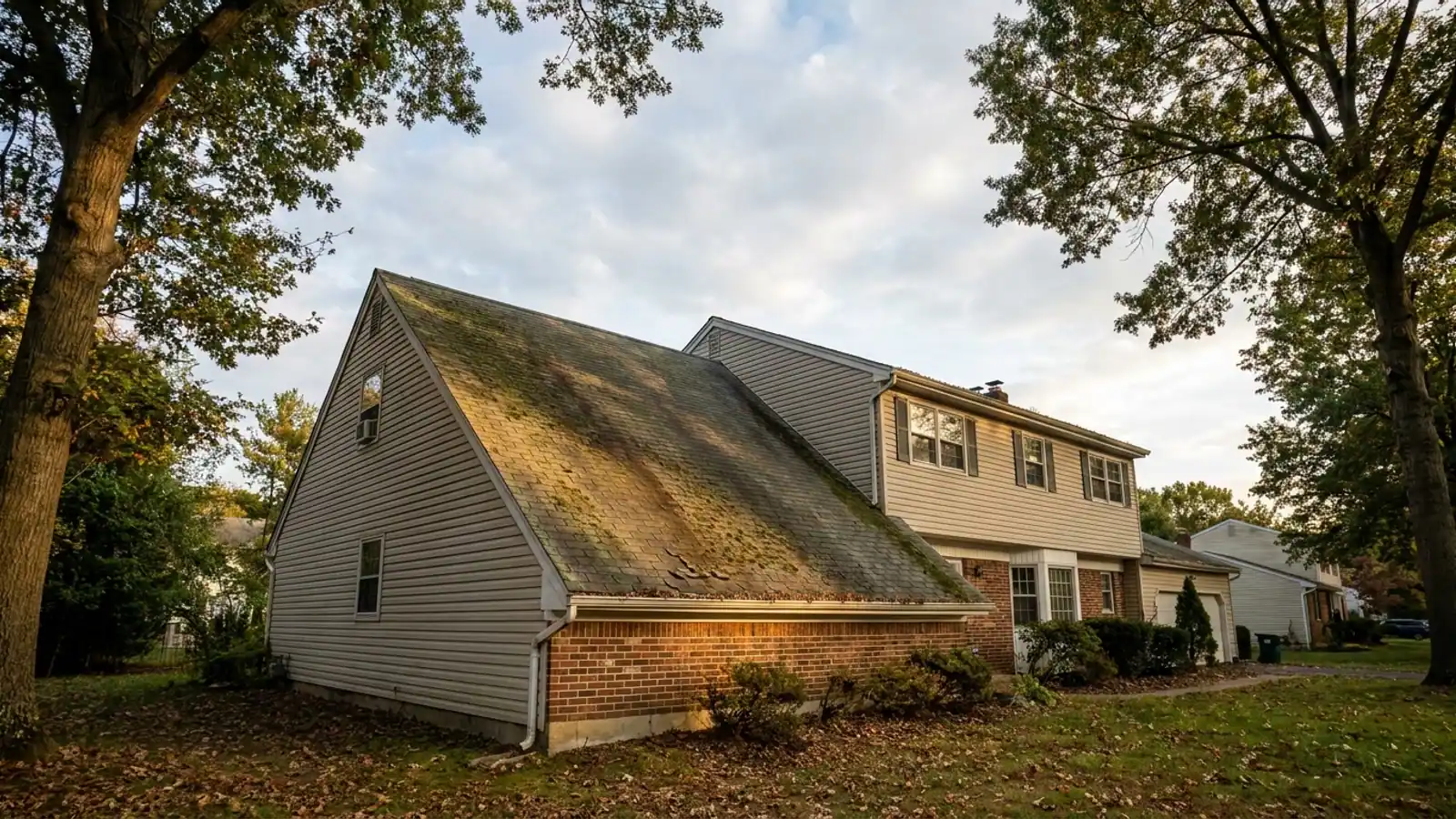
One slope failed for a specific reason. A south or west slope takes more sun and often ages several years ahead of a shaded north slope. If the front is curling and losing granules while the back still lies flat and holds its mat, the front is the problem.
Localized storm damage. A tree limb, a hail-affected plane or a windstorm that lifted a field of shingles on one exposure can destroy one slope and leave the rest intact.
Different roof ages. Additions, converted garages and rear extensions often carry a roof that is a decade newer than the original. Replacing the old section alone makes sense when the newer one is genuinely sound.
A detached structure. A garage or outbuilding slope is its own roof for practical purposes, and nobody is matching it to the house.
When it is the wrong call
If the roof is simply at the end of its service life, replacing one slope buys you a year or two and then you pay the fixed costs again. The tells are the same across every plane: granules collecting in the gutters, shingles that crack when you lift them, exposed nail heads, flashing rusted through. The signs you need a new roof guide covers what separates an aging roof from a failing one.
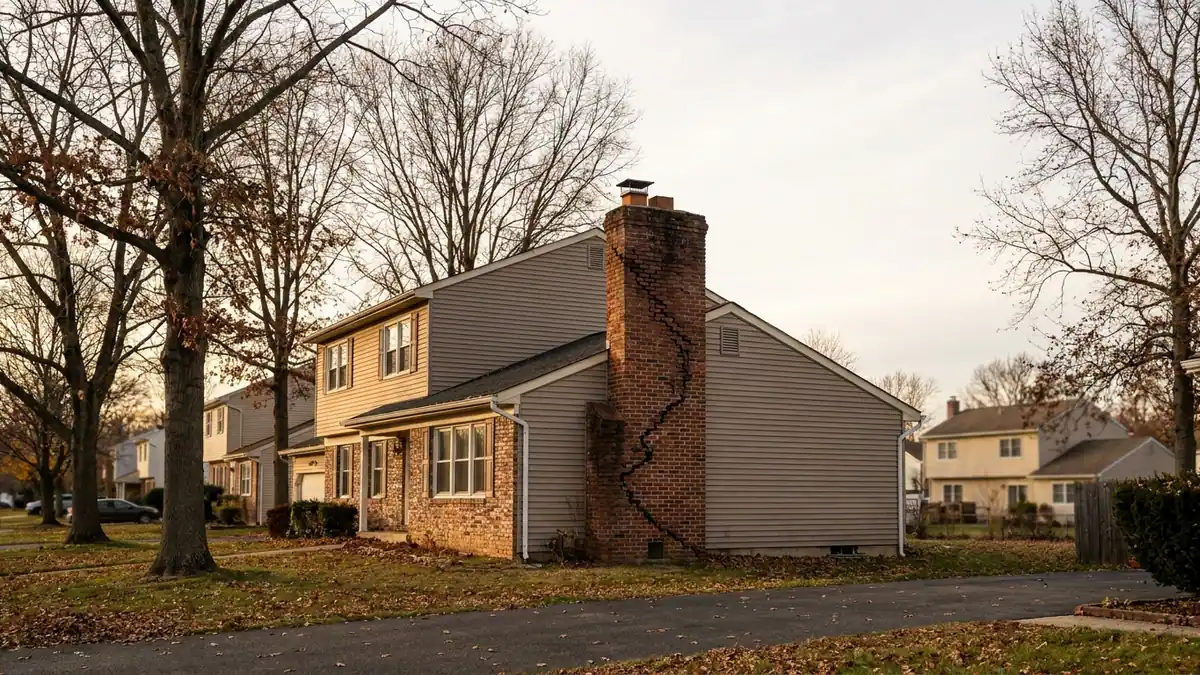
It is also the wrong call when the leak you are chasing is a flashing problem. A chimney that has been leaking for three winters does not need a new slope, it needs the flashing rebuilt. Replacing shingles around bad flashing is expensive and does not stop water.
One slope versus the whole roof
| One slope | Full replacement | |
|---|---|---|
| Shingle cost | One slopeScales with that slope's area | Full replacementWhole roof |
| Tear-off, dumpster, setup | One slopePaid in full | Full replacementPaid in full, once |
| Permit and inspection | One slopeConfirm with the construction office | Full replacementRequired |
| Ridge work | One slopeExtra labor to tie into the old side | Full replacementIncluded in normal sequence |
| Color match | One slopeNew slope reads brighter for a few seasons | Full replacementUniform across the house |
| Time on site | One slopeUsually a single day | Full replacementMost asphalt roofs, a single day |
| Manufacturer coverage | One slopeApplies only to the new slope | Full replacementCan qualify for full-system coverage |
Note the time row. Most residential asphalt roofs are torn off and replaced in one day. A single slope rarely saves you a day of disruption, because there was only one day to begin with.
The ridge and the color match are what people regret
Two things show up after the job that homeowners did not think about while pricing it.
The ridge is a seam between a new roof and an old one. Done right, the old cap comes off, the new field shingles run up and over, and fresh cap goes on the whole ridge so the line is continuous. Done cheaply, the crew butts the new work against the old cap and seals it, and that joint is the first place the slope leaks. Ask specifically how the ridge will be terminated and whether ridge vent is being replaced along the full run.
Color is the second. Shingles are blended from production batches, and your existing slopes have been weathering. Even the same product in the same color will not be an invisible match. On a side-gable house where you rarely see two slopes at once, that is a non-issue. On a hip roof where every plane is visible from the street, it is obvious.
What to get in writing
Get the per-sheet price for replacement decking stated in the estimate, the flashing spelled out as new rather than reused, the ridge treatment described, and the gutter and drip edge scope for that eave. Ask who pulls the permit. At Lightning Construction, those conditions are found at the free inspection and priced into the quote, there is no deposit, and there are no change orders on the day. The written estimate is the price, and the estimate visit is a genuinely no-obligation appointment with a salesperson at the house.
Also ask what workmanship coverage applies to a partial job and how it interacts with what is already on the rest of the roof. The roof warranty guide explains where manufacturer coverage ends and contractor coverage starts.
What to do next
Have someone walk all of the slopes, not just the bad one, before you commit to a partial. If two of four planes are close to done, the arithmetic usually favors the full roof. If one slope failed for a reason you can name, replacing it alone is defensible and you should get it priced that way.
See what roofing work includes, then book a free inspection and written estimate and have the decision made on evidence instead of a guess from the driveway.