Short answer
No. Almost no New Jersey home sale legally requires a new roof, and plenty of houses sell with ten-year-old shingles and no argument. What forces the issue is a roof at the end of its life, because the buyer's inspector will write it up, the buyer's lender may ask about it, and the buyer's insurer may decline to write a policy on it.
On this page
- When replacing before you list is the right call
- When a repair, or nothing at all, is enough
- What the buyer's home inspector writes down
- Replace, repair, credit or discount: how the four options compare
- What a new roof costs before a New Jersey sale
- The paperwork a buyer's attorney will ask for
- Timing it around your listing
- What to do next
No, you almost certainly do not need a new roof to sell a house in New Jersey. There is no statewide rule requiring one, and houses with sound ten- or fifteen-year-old shingles sell every week without the subject coming up. What changes the answer is condition: a roof at the end of its life gets written into the buyer's inspection report, and from that point it is not a question of whether you pay for it, only of how.
That is the whole decision. Either you replace the roof on your schedule with your contractor at your price, or you negotiate it in the ten-day window after the home inspection, with a buyer who now knows exactly what leverage he has.
When replacing before you list is the right call
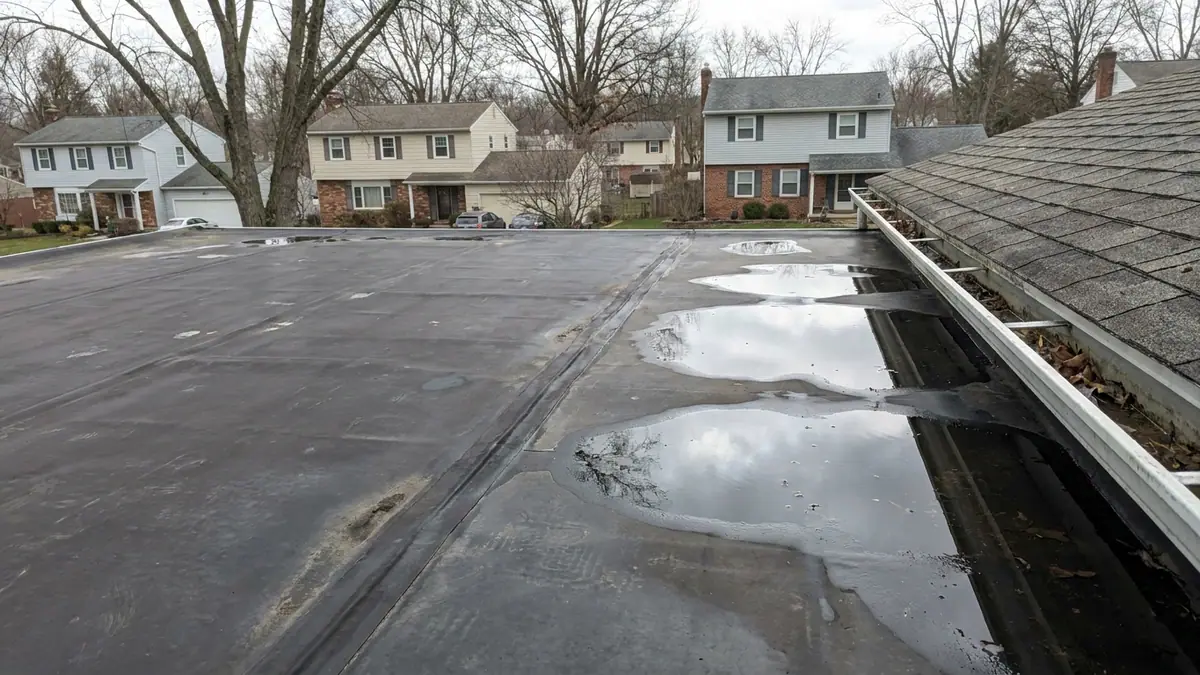
Replace before listing when the roof is visibly finished and everyone can see it. Curled or cupped shingle edges, bare patches where the granules are gone, sagging between rafters, and active leak stains on the ceiling all read as major expense to a buyer standing in the driveway. So do repeated repairs on the same slope, because a buyer's inspector will find the patches and describe them.
Two other situations push toward replacing first:
- The house is competing against new construction or recently renovated homes in the same price range. A dated roof next to a new one is the first difference a buyer notices from the street.
- You have already been told by an insurer or an agent that the roof is a problem. Some carriers will not write a new homeowner's policy on shingles past a certain age or condition, and a buyer who cannot get insured cannot close.
The 10 signs you need a new roof guide walks through the failure conditions in detail, including the ones only visible from the attic. Read that before you decide, because half the roofs homeowners want to replace before a sale are not actually done.
When a repair, or nothing at all, is enough
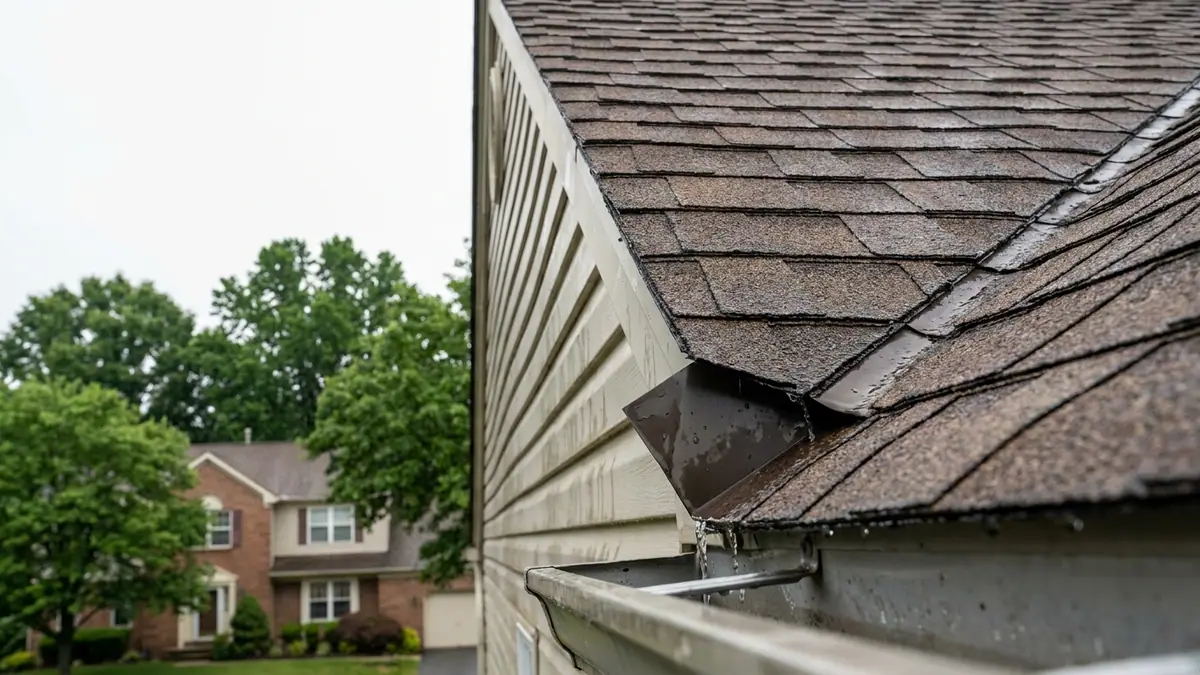
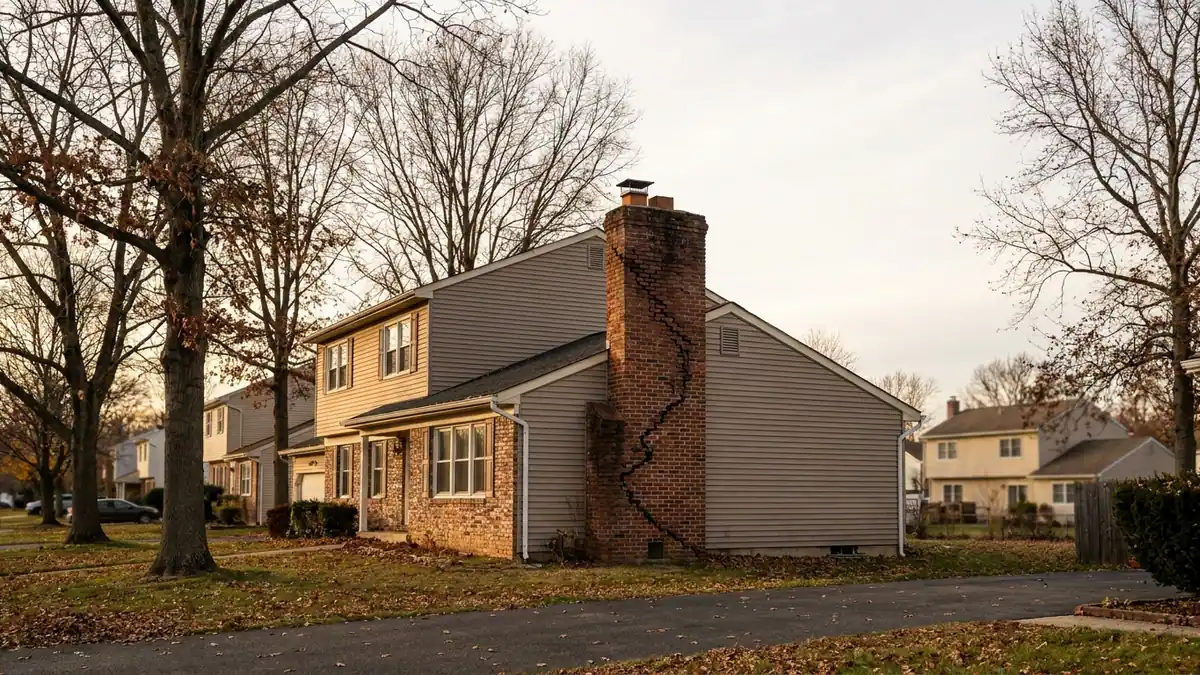
If the field of shingles is flat, flexible and holding granules, and the only problems are at flashing points, repair. Leaks in New Jersey overwhelmingly start where the roof meets something else: chimneys, sidewalls, valleys and skylights. Fixing a chimney flashing detail is a fraction of the cost of a replacement and it clears the item off an inspection report just as cleanly.
Do nothing when the roof is middle-aged and sound. A twelve-year-old architectural shingle roof with no leaks and no missing tabs does not need to be replaced to sell a house, and spending five figures on it will not come back to you in the sale price. The honest version of this conversation is that a new roof mostly removes a deduction rather than adding a premium.
What the buyer's home inspector writes down
Home inspectors in a resale are not roofers, and their reports reflect that. They usually note the material, the approximate age or number of layers visible at the rake edge, any lifted or missing shingles, the condition of flashing and gutters, and any staining in the attic. The phrase that costs sellers money is "nearing the end of its serviceable life," because it invites the buyer to price a full replacement into the negotiation whether or not the roof is leaking.
You can get ahead of that. A written roof inspection from a roofing contractor, with photos, dated before you list, answers the generalist's report with specifics. Lightning Construction's inspection and written estimate are free with no obligation. A salesperson does come to the house, so treat it as what it is: a sales appointment where you also get a real assessment in writing.
Replace, repair, credit or discount: how the four options compare
| Option | When it fits | What it costs you |
|---|---|---|
| OptionReplace before listing | When it fitsRoof visibly failing, house competing with updated homes | What it costs youFull job price, on your terms, chosen by you |
| OptionRepair before listing | When it fitsSound field, isolated flashing or a few damaged slopes | What it costs youSmall, and it removes the inspection item |
| OptionSeller credit at closing | When it fitsRoof questioned late, buyer already under contract | What it costs youUsually more than the repair, and lender limits may apply |
| OptionPrice reduction | When it fitsBuyer wants to pick the roofer and the shingle | What it costs youThe largest of the four, because buyers pad the estimate |
The pattern is consistent. The later in the transaction the roof comes up, the more it costs, because you are negotiating with a deadline and the buyer is not.
What a new roof costs before a New Jersey sale
Most asphalt roof replacements in New Jersey run $9,000 to $22,000 in standard-value towns, $14,000 to $35,000 in higher-value towns, and $25,000 to $60,000 for large or luxury homes. The band depends on the median home value of your municipality, and the number inside the band depends on the size of the roof, the pitch, how many layers are up there and the condition of the decking. The New Jersey roof cost guide breaks the variables down.
If you are selling, cash timing matters as much as price. Lightning takes no deposit on any job, so nothing is due until the work is finished and you have inspected it, and there are no change orders because extra layers, bad decking and failed flashing are found at the free inspection and priced into the written estimate. Financing is available through GreenSky and FTL, including 24 months at 0% interest and 120-month terms with no prepayment penalty, which matters when a term has no penalty for paying it off out of the proceeds.
The paperwork a buyer's attorney will ask for
A new roof helps the sale only if you can document it. Collect these while the crew is still on site:
- The signed written estimate or contract showing scope, shingle line and color.
- The final invoice marked paid.
- The permit and the closed municipal inspection record. Lightning pulls the permit from your municipality's own construction office under the New Jersey Uniform Construction Code and attends the inspection, so you file nothing.
- The manufacturer's warranty registration and the workmanship terms, plus the transfer rules for both.
- Photos of the decking and underlayment before the shingles went on, which answer questions a home inspector cannot answer from outside.
An open permit from a previous owner's roof work is a real closing delay in some towns, so if you inherited one, resolve it now rather than three days before the walkthrough. On warranty transfer specifically, the roof warranty guide explains the difference between what the manufacturer covers and what the contractor covers, and which of those follows the house.
Timing it around your listing
Work backward from listing photos. Most residential asphalt roofs here are torn off and replaced in a single day, and standing-seam metal takes two to four days, so the install is not the constraint. Scheduling, material selection and the municipal inspection are. Give yourself a few weeks between the decision and the photographer, and pick the shingle color against the siding and trim you are keeping, not against a swatch on a screen.
If you are already under contract and the roof surfaced at inspection, you can still replace rather than credit. A one-day install fits inside most attorney review and mortgage commitment timelines, and a completed job with a closed permit is worth more to a nervous buyer than money set aside for work he has to arrange himself.
What to do next
Get the roof looked at before your agent sets a price, not after a buyer's inspector does. Lightning Construction is veteran-owned, GAF Certified, licensed and insured under New Jersey Home Improvement Contractor registration 13VH12437000, and works in all 21 New Jersey counties. See what a replacement involves on the roofing page, or book the free inspection and written estimate and find out whether the roof you are worried about actually needs anything at all.