Short answer
A dark shingle does get hotter at the surface than a light one, often by a wide margin on a sunny afternoon. But the temperature inside your attic is set mostly by ventilation, insulation and air sealing, not by shingle color, so the difference color makes on a New Jersey cooling bill is small and easy to swamp. If your upstairs is hot, fix the airflow and the insulation first and pick the color you actually want.
On this page
- Shingle temperature and attic temperature are two different numbers
- What actually drives how hot your attic gets
- Where shingle color does make a real difference
- Reflective shingles, and what to expect from them
- Winter runs the other way, and that is not a free win
- How to pick a color without overthinking the heat
- What to do if your upstairs is genuinely hot
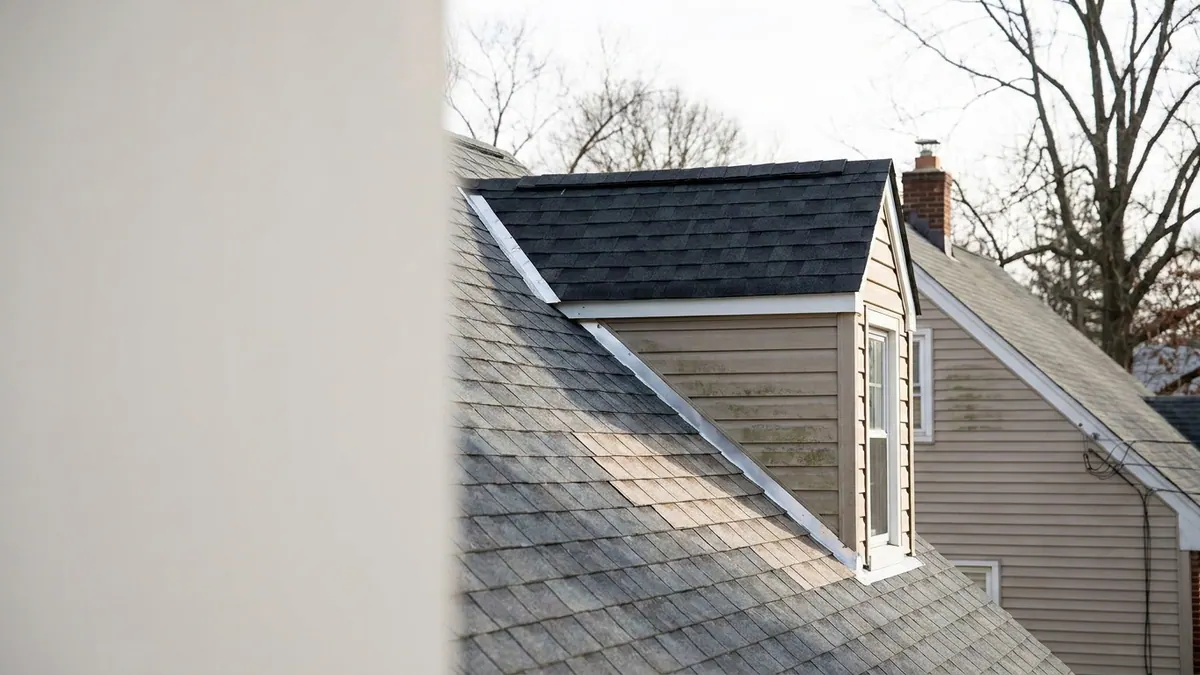
A dark roof does run hotter. On a clear New Jersey afternoon in July, a charcoal shingle will measure far warmer at the surface than a weathered-wood or light gray one on the identical house. That part is not in dispute. What is in dispute is whether you will ever see it on your electric bill, and the honest answer is that you probably will not notice it, because almost everything that actually controls attic temperature sits between the shingle and your ceiling.
So pick the color you want on the house. Then spend your attention on the things under the roof that decide whether your second floor is comfortable.
Shingle temperature and attic temperature are two different numbers
People conflate them constantly. A thermometer laid on a black shingle in direct sun reads one thing. The air six feet below that shingle, inside the attic, reads something else entirely, and the air in your bedroom reads something else again.
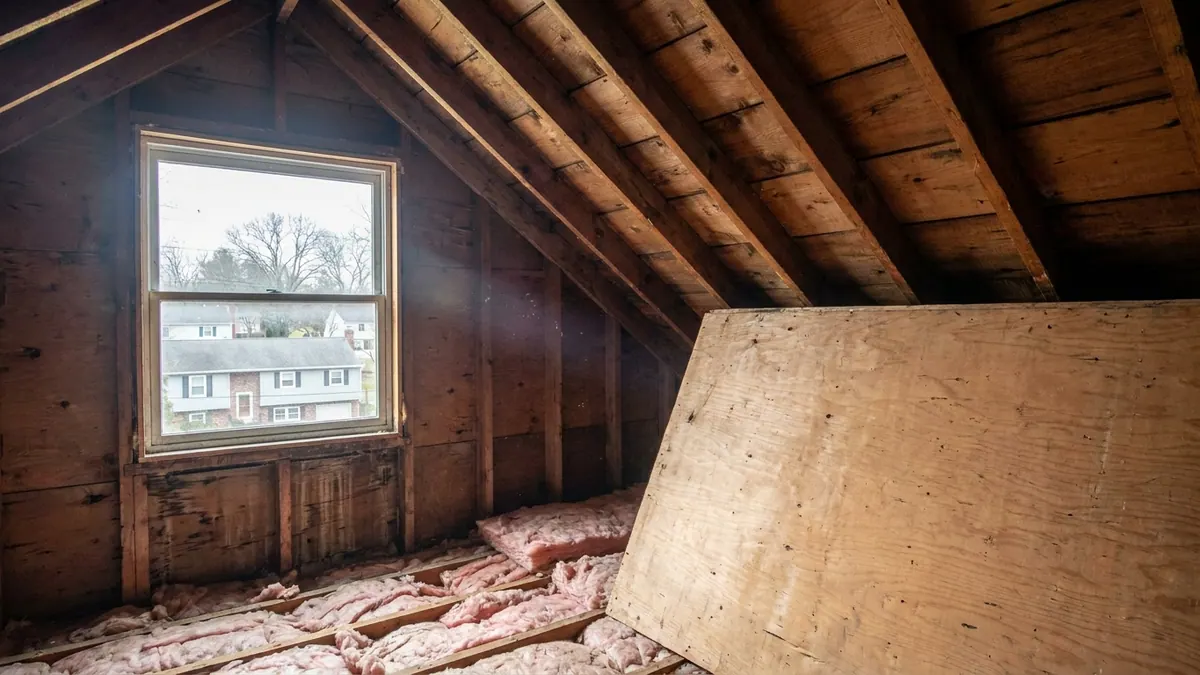
Heat from the shingle moves into the decking, then radiates down into the attic space. From there it has two ways out. It can leave through the ridge vent, pushed along by cooler air drawn in at the soffits. Or it can sit there, build up, and conduct down through your ceiling insulation into the rooms below.
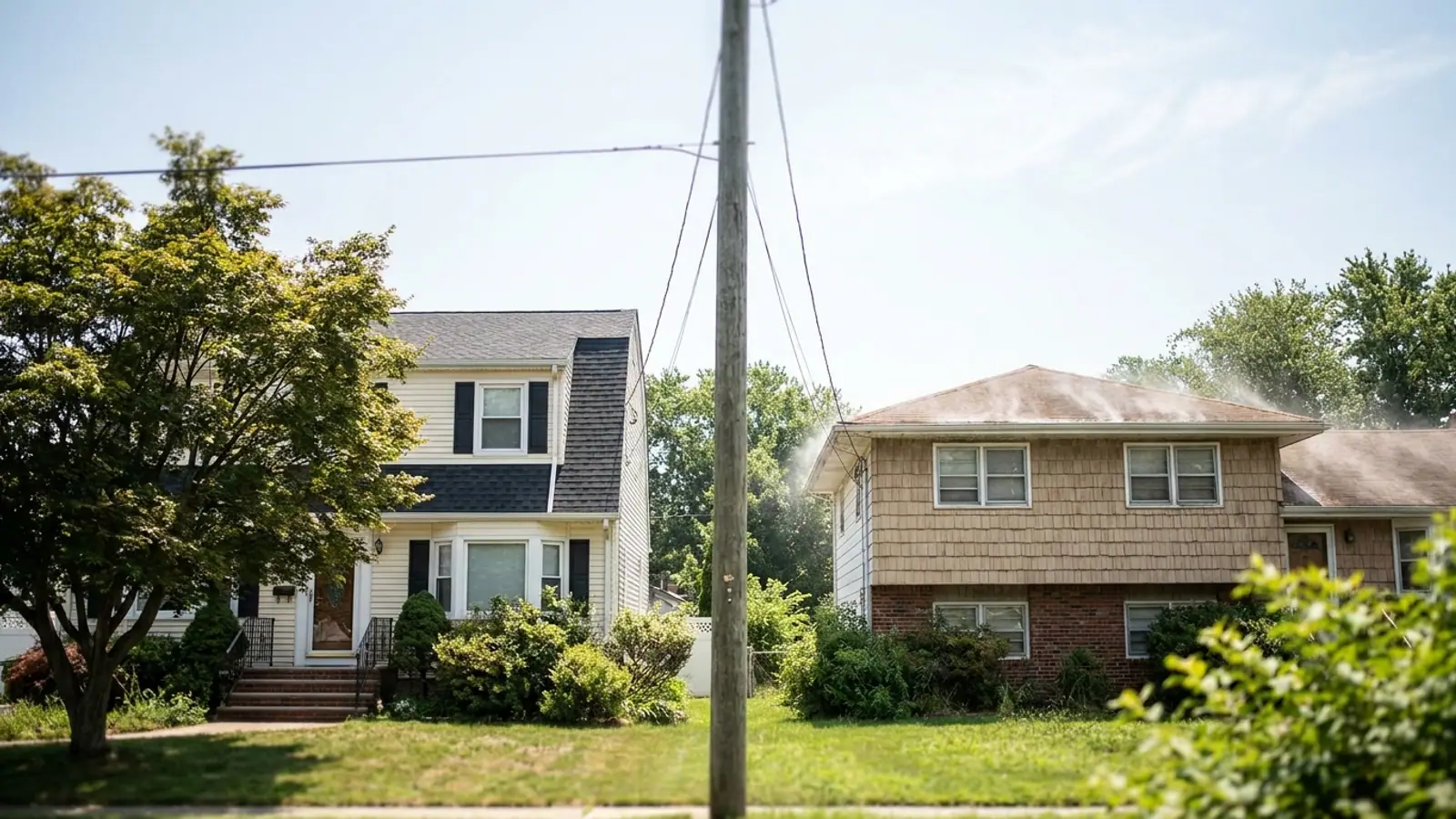
Which of those happens has nothing to do with the color of the shingle. It depends on whether the attic has balanced intake and exhaust, how deep the insulation is, and whether the ceiling below is sealed against air leaks at can lights, bath fans and the attic hatch. A house with a dark roof and a properly vented attic stays cooler upstairs than a house with a light roof and blocked soffits. That comparison happens on New Jersey streets every summer.
What actually drives how hot your attic gets
Intake and exhaust airflow
The single biggest factor. A ridge vent with no working soffit intake does very little, because exhaust without intake has nothing to pull. Insulation stuffed into the eave bays, blocking soffit vents, is one of the most common problems found during an inspection on New Jersey houses built from the 1950s through the 1970s. The attic ventilation guide covers how the intake and exhaust get sized and balanced.
Depth and coverage of ceiling insulation
Attic insulation is what separates the hot attic air from your living space. Thin, compressed or patchy insulation lets that heat come straight down. Gaps around the perimeter and over interior walls matter as much as the average depth.
Where the ductwork runs
If your air handler or supply ducts are in the attic, they are sitting in the hottest air in the house. Leaky or poorly insulated ducts in a 130-degree attic cost you far more in cooling than any shingle color decision ever will.
Roof geometry and shade
A large, low-slope south-facing plane in full sun collects more heat than a steep, cut-up roof with dormers and partial tree shade. Two identical shingles on two different roofs do not behave the same way.
Where shingle color does make a real difference
Color is not meaningless. It just works in a narrower band than the sales pitch suggests.
| What color changes | How much it matters |
|---|---|
| What color changesShingle surface temperature in full sun | How much it mattersA lot, and it is easy to measure |
| What color changesAttic air temperature in a well-vented attic | How much it mattersSmall |
| What color changesAttic air temperature in a poorly vented attic | How much it mattersStill small, because the ventilation problem dominates |
| What color changesCooling cost on the bill | How much it mattersSmall enough that insulation and duct condition will hide it |
| What color changesCurb appeal and resale impression | How much it mattersLarge, and permanent for 20 to 30 years |
| What color changesHow visible algae streaking looks | How much it mattersNoticeable, since dark streaks show up more on light shingles |
That last row is worth sitting with. You are choosing the appearance of your house for decades. A half-degree argument about attic air should not be what decides it.
Reflective shingles, and what to expect from them
Manufacturers make shingles with reflective granule technology designed to bounce more solar energy than a standard shingle of the same color. They are real products and they work as described at the surface. In New Jersey they are a reasonable choice if you already like the color and the line, and a weak reason to abandon a color you prefer.
Two cautions. First, reflective performance is highest when the roof is new and clean, and it drops as the surface weathers and collects dirt. Second, if anyone tells you a reflective shingle, a roof, siding or gutters qualify you for a specific federal energy tax credit, do not take that from a contractor. Confirm any current program with a tax professional before you factor a dollar amount into your decision. We do not quote incentives.
Color families, granule technology and the warranty tiers that go with each product line are laid out in the GAF shingles guide. Read it before you stand in the driveway holding sample boards.
Winter runs the other way, and that is not a free win
A dark roof absorbs more solar energy in January too. Snow and frost clear off a dark roof sooner on a sunny winter day. Homeowners sometimes count that as a heating benefit that offsets the summer penalty.
Be careful with that logic. Snow melting off the upper roof while the eaves stay below freezing is exactly the condition that builds ice dams, and in New Jersey the cause is usually heat escaping from the house into the attic, not sunshine on the shingles. Fixing it means air sealing, insulation and ventilation, not color. The ice dam guide explains the sequence.
How to pick a color without overthinking the heat
- Hold large samples against the materials you are not replacing. Brick, stone, the siding, the trim color, the front door. Those are fixed, and the roof has to live with them.
- Look at the samples outdoors, in direct sun and in shade, at two different times of day. Shingle colors shift hard between morning and afternoon light.
- Look at the blend, not the single shingle. Most architectural shingles are multi-tone, and the pattern only reads correctly from the street.
- Drive the neighborhood and look at full roofs in that color on houses with your roof pitch. A small sample board is not a roof.
- Check any HOA or historic district color restrictions before you commit to anything.
What to do if your upstairs is genuinely hot
Start with the attic, not the color chart. Get someone up there to look at whether the soffit vents are open and clear, whether there is a continuous ridge vent or just a couple of box vents, how deep the insulation is, and whether ducts run through the space. Those four observations explain most hot second floors in New Jersey houses.
When the roof is being replaced anyway, ventilation work is the cheapest it will ever be, because the crew is already up there with the shingles off. Ask for the intake and exhaust to be itemized on the written estimate rather than buried in a line that says "roof system."
At Lightning Construction the inspection and the written estimate are free and carry no obligation, and a salesperson does come to the house. Conditions that normally turn into a surprise later, including extra shingle layers, rotted decking and bad flashing, are found at that inspection and priced into the quote, so there are no change orders. There is no deposit; nothing is due until the work is finished and you have inspected it. Lightning pulls the permit and attends the municipal inspection under the New Jersey Uniform Construction Code. Most asphalt replacements are torn off and finished in a single day.
Most New Jersey asphalt roof replacements run $9,000 to $22,000 in standard-value towns, $14,000 to $35,000 in higher-value towns, and $25,000 to $60,000 for large or luxury homes, with the band set by the municipality's median home value from ACS 2024 five-year estimates. Color does not move that number the way roof size, pitch, layers and decking condition do.
If you are weighing a replacement, see the roofing page for what is included, or book a free estimate and have the attic looked at while someone is on the roof.