Short answer
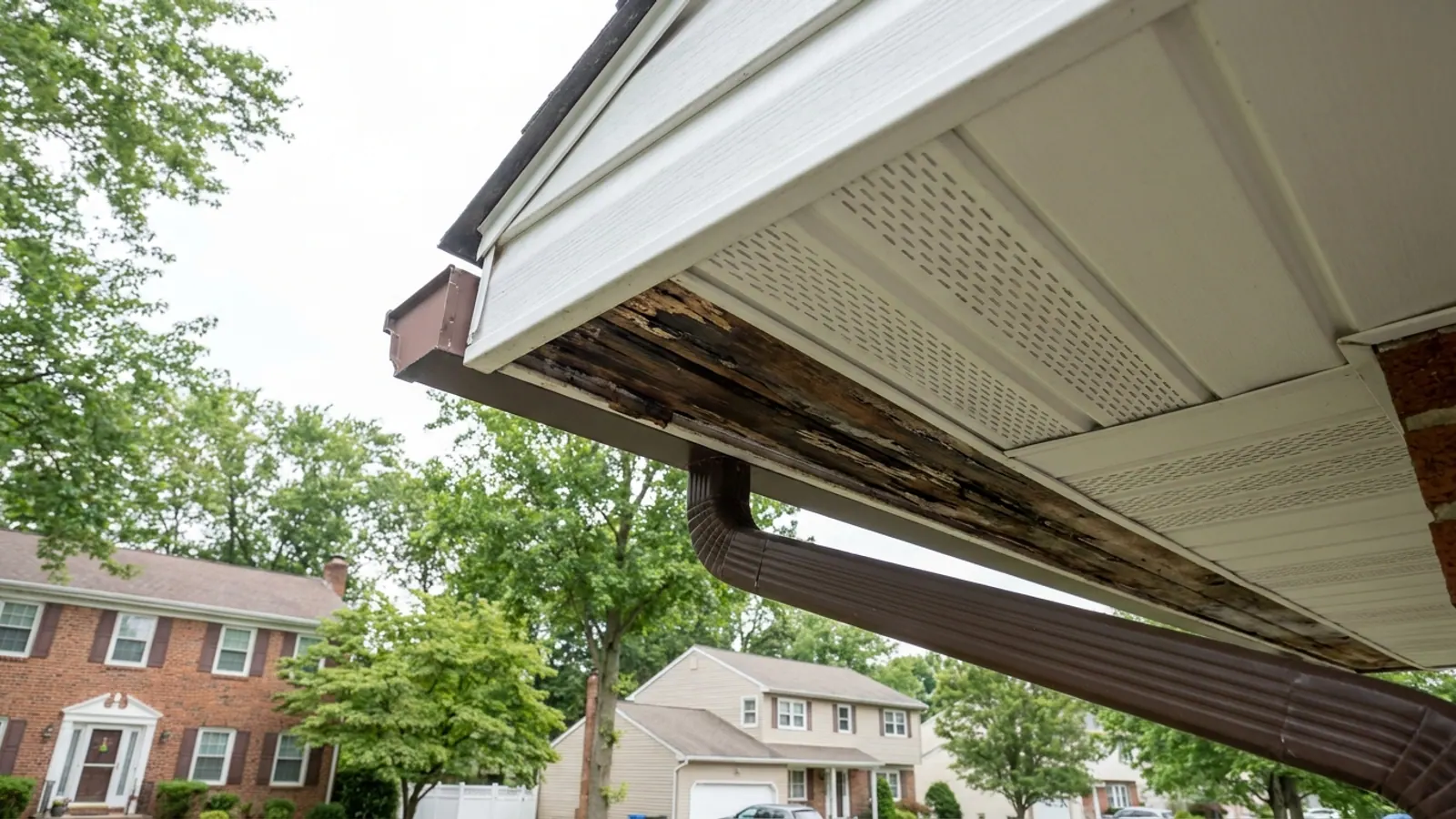
Replace the fascia if it is soft, split or will not hold a hanger screw, because the new gutter bolts directly into that board and a rotted one cannot hold it. Soffit is a separate call and usually only needs replacing where it is stained, sagging or has animal damage. The right time to decide is before the gutters are ordered, because the eave is open and accessible exactly once.
On this page
- Why the fascia decides whether new gutters stay up
- How to tell if your fascia is bad before anyone gets on a ladder
- What the installer checks once the old gutter is down
- Soffit is a separate decision from fascia
- Wrapping fascia versus replacing the board
- What this adds to a gutter job in New Jersey
- The order the work happens in
- What to ask for in writing
Replace the fascia if it is soft, split, delaminating or will not hold a screw. Leave it if it is solid. That is the whole decision, and it comes down to one fact about how gutters are hung: the hidden hangers screw through the back of the gutter directly into the fascia board, so the board is the only thing holding the gutter and the water in it against the house.
Soffit is a different question with a different answer, and the two get bundled together on estimates in a way that confuses homeowners. Here is how to separate them.
Why the fascia decides whether new gutters stay up
A full 5-inch gutter is heavy. Add a February freeze on top of that and the load on each hanger goes up again. Hangers are typically set every 24 to 32 inches, and each one is relying on screw threads biting into dry, sound wood.
When that wood has been wet for years behind a leaking gutter, the screw spins. The installer feels it immediately. At that point there are only two honest moves: cut out the bad section and replace it, or hang the gutter anyway and let the homeowner find out next winter. The second one is why you see new-looking gutters sagging off houses two years after they were installed.
The back of a gutter sits tight against the fascia, so the board behind it has not seen daylight in twenty years. Nobody knows its condition until the old gutter comes down. That is the single most important thing to understand about this job.
How to tell if your fascia is bad before anyone gets on a ladder
You can get most of the way from the driveway.
- Paint peeling in a horizontal band along the fascia, not in random patches. That band is where water has been sitting behind the gutter.
- Dark staining or green growth on the fascia directly under a gutter seam, corner or end cap.
- A gutter that leans outward at the top, or has visibly pulled away from the house at one end.
- Visible daylight or a gap between the back of the gutter and the board.
- Wasp or bird activity at the gutter line, which usually means there is already a soft spot or an opening.
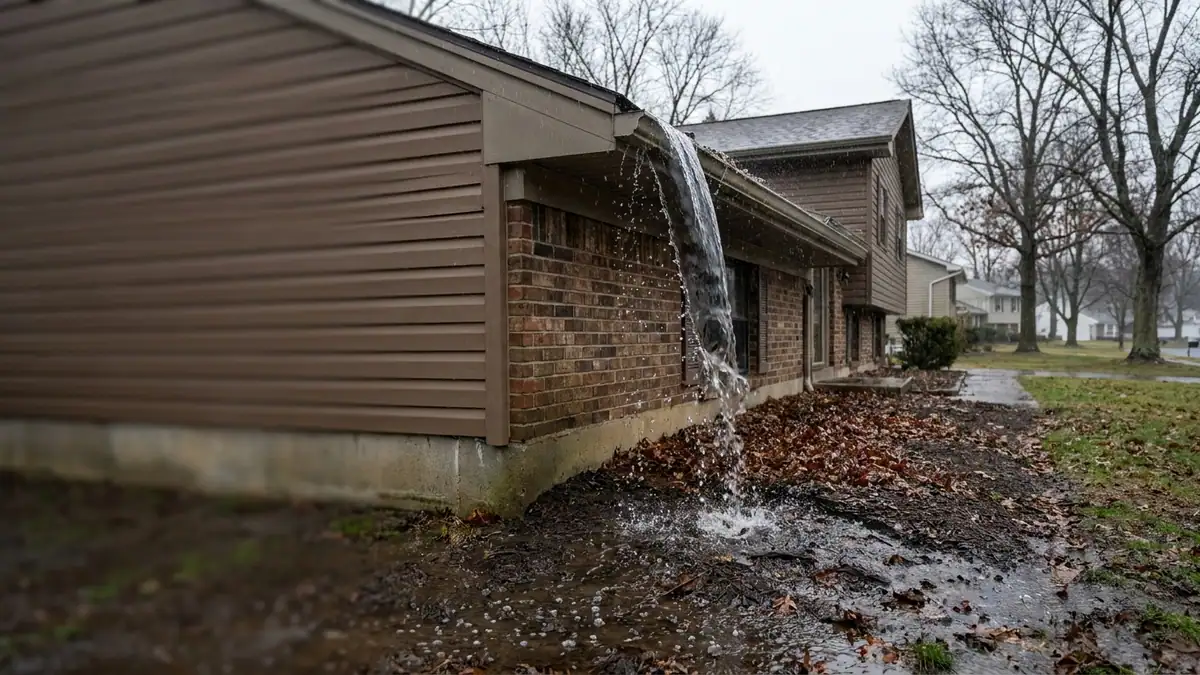
If you see a gutter leaning, assume the fascia behind it is wet. A gutter does not tip over on its own. It tips because the fasteners lost their grip in the wood. Our guide on gutter maintenance through the New Jersey seasons covers what to watch for between replacements.
What the installer checks once the old gutter is down
The inspection on the fascia itself is quick and physical.
- Press a screwdriver or an awl into the board every few feet, especially at seams, corners and downspout outlets. Sound wood resists. Rotted wood takes the tool with almost no pressure.
- Look at the top edge of the fascia where it meets the roof deck and the drip edge. Water that ran behind the gutter rots this edge first, and it is the part you cannot see from the ground.
- Check whether a drip edge or gutter apron exists at all. Many older New Jersey eaves have none, which is how water got behind the gutter in the first place.
- Check the first soffit panel next to the fascia for staining, sag or chew damage.
- Check the rafter tails the fascia is nailed to. If the tails are rotted, that is framing work, not trim work, and it needs to be identified before anything is ordered.
Ask for photos of all of this. A contractor standing on the ladder with a phone can show you a soft board in ten seconds.
Soffit is a separate decision from fascia
Fascia is structural for the gutter. Soffit is not. Soffit is the panel closing in the underside of the eave, and on most New Jersey houses it is either vented aluminum, vented vinyl or original painted wood.
Replace soffit when it is stained, sagging, torn, chewed open by squirrels or birds, or when it is solid wood panel on a house that needs intake ventilation at the eave. Leave it when it is clean, tight and vented. A rotted fascia does not automatically mean rotted soffit, because the soffit sits back under the overhang where less water reaches it.
One real reason to do them together: the fascia has to come off anyway, the ladders and staging are already set, and the eave is open. Doing the soffit two years later means paying for that access a second time. Soffit, fascia and trim fall under siding work at Lightning Construction, and they can be scoped on the same visit as the gutters.
Wrapping fascia versus replacing the board
These are not alternatives. They are two different steps that often happen on the same eave.
| Aluminum fascia wrap | Replacing the fascia board | |
|---|---|---|
| What it is | Aluminum fascia wrapBent aluminum coil stock covering the existing wood | Replacing the fascia boardCutting out the old wood and installing new board |
| Fixes rot | Aluminum fascia wrapNo | Replacing the fascia boardYes |
| Ends repainting | Aluminum fascia wrapYes | Replacing the fascia boardOnly if the new board is also wrapped |
| Holds gutter hangers | Aluminum fascia wrapThe wood underneath does | Replacing the fascia boardYes |
| When it is right | Aluminum fascia wrapOver sound wood you do not want to paint again | Replacing the fascia boardSoft, split or screw-stripped board |
| Risk when misused | Aluminum fascia wrapHides active rot and keeps it wet | Replacing the fascia boardNone, but it costs more than wrapping |
Wrapping rotted wood is the shortcut to watch for. It looks finished from the street on day one, the gutter goes up over it, and the decay keeps running underneath because the aluminum traps the moisture. If someone quotes wrap on a board they never probed, ask why.
What this adds to a gutter job in New Jersey
Seamless aluminum gutter work in New Jersey runs $1,200 to $3,500 in standard-value towns, $2,500 to $6,500 in higher-value towns, and $4,000 to $12,000 on large or luxury homes. The band is set by the municipality's median home value from ACS 2024 five-year estimates, not by how much fascia needs work.
Fascia and soffit repair is scoped on top of that, and the amount depends entirely on how many linear feet are bad, whether the eave is one story or two, and whether the material is wood, vinyl or aluminum. There is no per-foot number worth quoting over the phone, because nobody knows the extent until the old gutter is down.
What matters more than the number is how it is handled. Lightning Construction takes no deposit, and the written estimate is the final price. Rot behind the gutter line, missing drip edge and damaged soffit are identified at the free inspection and priced into the quote, so there is no change order halfway through the day. The free inspection and written estimate carry no obligation, and a salesperson does come to the house.
The order the work happens in
- Old gutters and downspouts come down.
- The fascia is probed and the bad sections are cut out, back to sound wood over a rafter tail.
- New fascia board goes in, fastened to the tails rather than to the old board.
- Damaged soffit panels are replaced and the soffit is re-secured into the new fascia channel.
- Drip edge or gutter apron is installed or corrected so roof runoff lands inside the gutter instead of behind it.
- Fascia is wrapped in color-matched aluminum if that is in the scope.
- New seamless gutter is run on site, hung with hidden hangers into the new board, and pitched to the downspouts.
Skipping step five is the most common mistake. If water was getting behind the old gutter, new wood and a new gutter will not stop it on their own. The seamless gutters and gutter guards guide goes deeper on the gutter side of that assembly.
What to ask for in writing
Get the fascia and soffit scope written into the estimate before anything is ordered. Specifically: how many linear feet of fascia are being replaced, what material, whether it is being wrapped, how many soffit panels, whether vented soffit is being used, and whether drip edge or gutter apron is included. A line that says "repair rot as needed" is not a scope and not a price.
If your roof is also near the end of its life, handle the eave once. Drip edge, fascia and gutters all meet in the same six inches, and replacing them in separate years means paying twice for the same access.
Start with a free inspection of the gutter line and the eave behind it. See what Lightning Construction's gutter work includes, or book the free estimate and get photos of what is actually behind your gutters before you spend anything.