Short answer
Insulated vinyl siding has rigid foam backing bonded to each panel. It costs more than standard vinyl and its real advantages are a flatter, more solid-looking wall, better impact resistance and a quieter house. The added R-value is genuine but modest, so it is rarely worth choosing for the energy saving alone.
On this page
Insulated vinyl siding is standard vinyl with a layer of contoured rigid foam bonded to the back of every panel, so the foam fills the hollow that ordinary vinyl leaves against the wall. It costs more. Whether that is worth it depends on which of its advantages you actually care about, and the energy one is usually the least of them.
What the foam backing actually changes
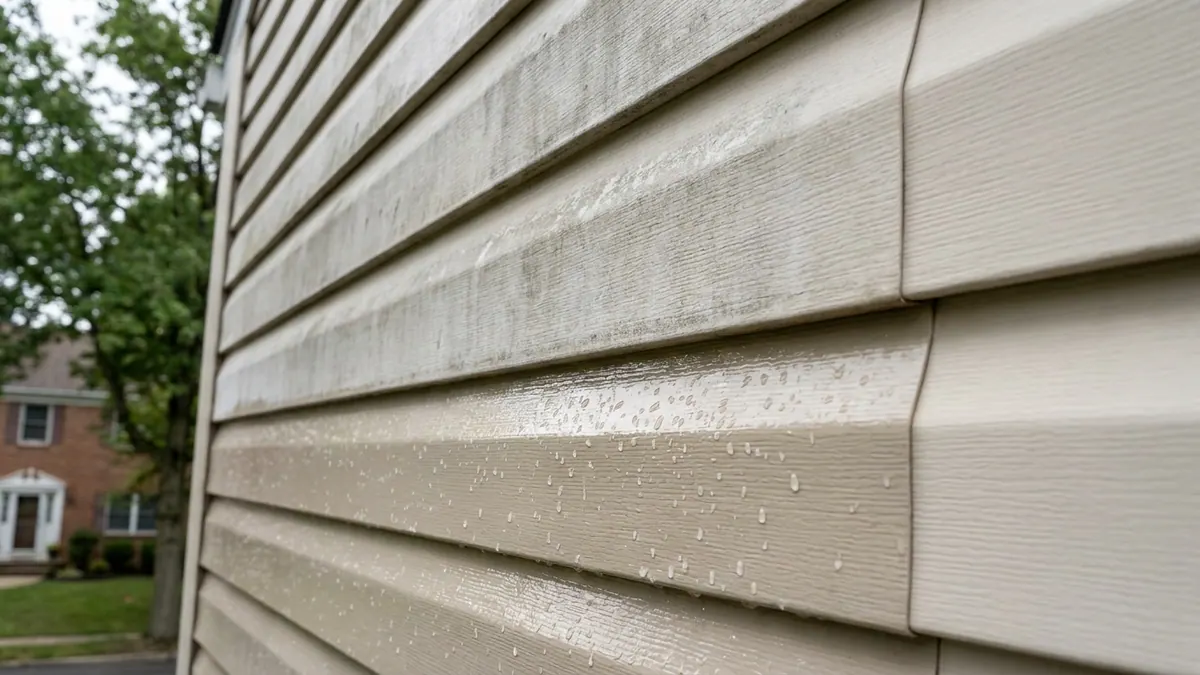
Standard vinyl siding is a thin shell. It is hung loosely so it can expand and contract with temperature, and behind most of its face is air. That is why it can look slightly wavy in raking afternoon light, and why it sounds hollow when something hits it.
Insulated vinyl fills that void. The consequences are more physical than thermal.
The wall looks flatter
This is the difference most people notice from the street without being able to name it. Because the foam supports the panel across its entire face, the siding follows the wall instead of oil-canning between fasteners. Long runs on a large gable read straighter, and low sun in the late afternoon — the light that exposes every imperfection in a vinyl wall — is much kinder to it.
On a house with big uninterrupted wall planes, this is the single strongest argument for the upgrade.
It resists impact better
A hollow panel dents and cracks when something hits it. A foam-backed panel has something behind it to spread the load. Hail, a ladder set down carelessly, a stone thrown from a mower deck, a ball off the side of the house — all of these do less.
The house is quieter
The foam is a sound barrier as well as a thermal one. It is not soundproofing, and nobody should buy siding to fix a noise problem, but on a house near a busy road the difference inside is real.
And yes, some R-value
The insulation is genuine. It is also modest, and it is worth being honest about where it sits among the things you could spend the same money on. In most New Jersey houses, attic insulation and air sealing return more per dollar than upgrading the siding does, and the walls are rarely where the largest losses are.
Buy insulated vinyl for the wall, the durability and the quiet. Count the energy as a bonus. If a salesperson leads with dramatic heating savings, ask them to show their work.
Where it sits against the alternatives
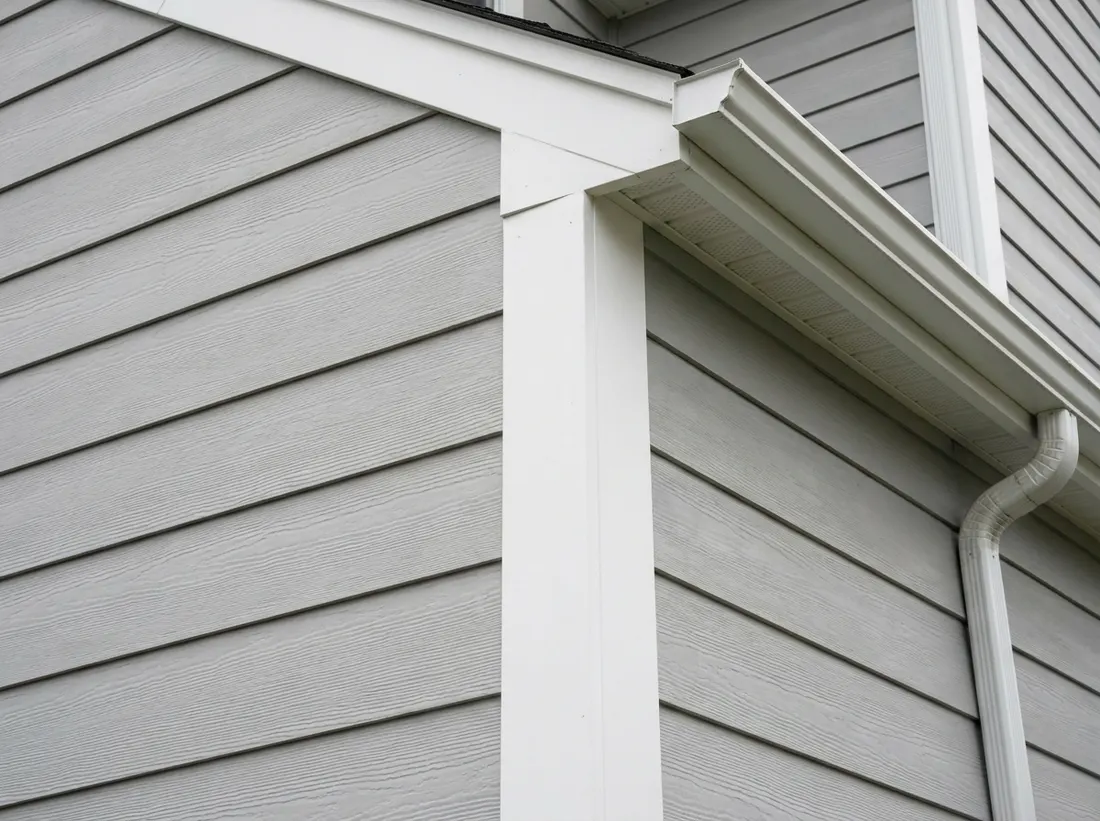
Lightning installs fiber cement, insulated vinyl and standard vinyl, along with the trim, soffit and fascia that go with them.
| Standard vinyl | Insulated vinyl | Fiber cement | |
|---|---|---|---|
| Wall appearance | Standard vinylCan show waviness in low sun | Insulated vinylFlatter, more solid | Fiber cementFlat, heavier shadow lines |
| Impact resistance | Standard vinylLowest | Insulated vinylBetter | Fiber cementBest |
| Painting | Standard vinylNever | Insulated vinylNever | Fiber cementRepainting eventually |
| Relative cost | Standard vinylLowest | Insulated vinylMiddle | Fiber cementHighest |
| Weight on the wall | Standard vinylLight | Insulated vinylLight | Fiber cementHeavy |
Siding in New Jersey runs $10,000 to $22,000 in standard-value towns, $16,000 to $38,000 in higher-value towns and $30,000 to $70,000 on large or luxury homes. The band is set by the median home value of the municipality, because that tracks how big the houses are. Material choice moves you within a band; house size moves you between them.
The straight comparison of vinyl against fiber cement is covered in the siding options guide.
The question that matters more than the material
Whatever siding goes on, what is behind it decides how long it lasts.
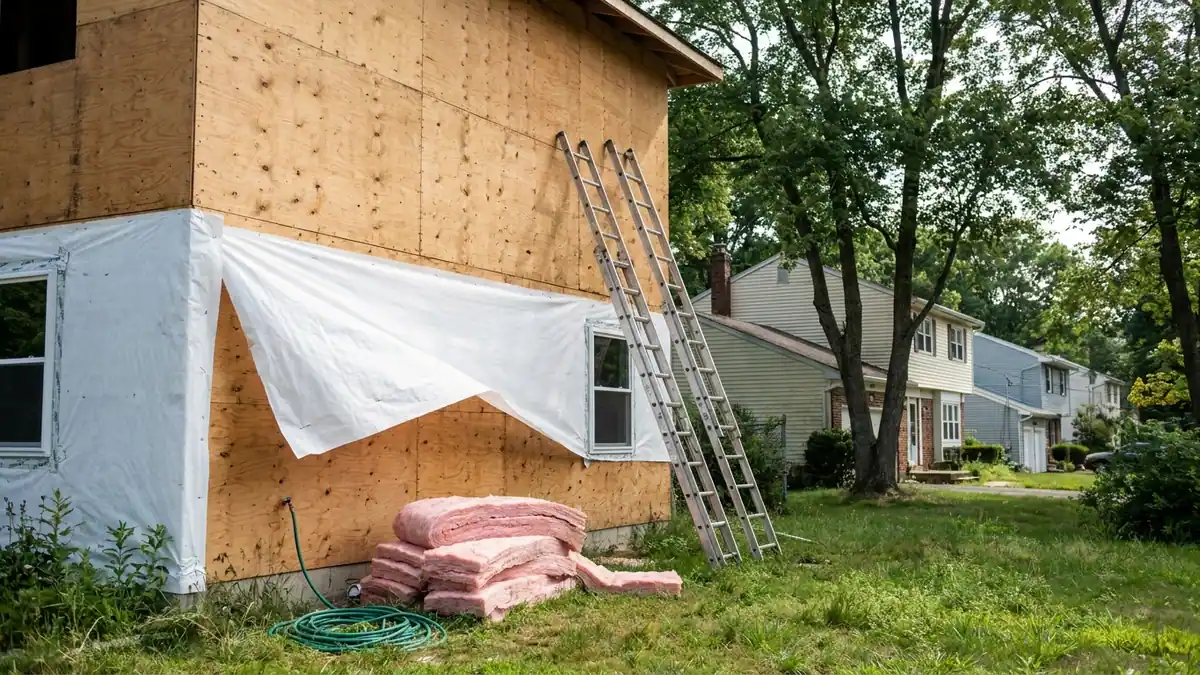
Siding is a rain screen. Water gets past it — that is expected and normal — and the layers underneath are what keep the water out of the structure. So the things worth asking about are the ones that stop being visible the moment the new siding is up:
- What is the condition of the sheathing? Soft or water-damaged board has to be replaced, not covered.
- Is house wrap being installed, and how are the seams and openings taped?
- How are windows and doors being flashed? This is where wall leaks actually happen, far more often than in the middle of a wall.
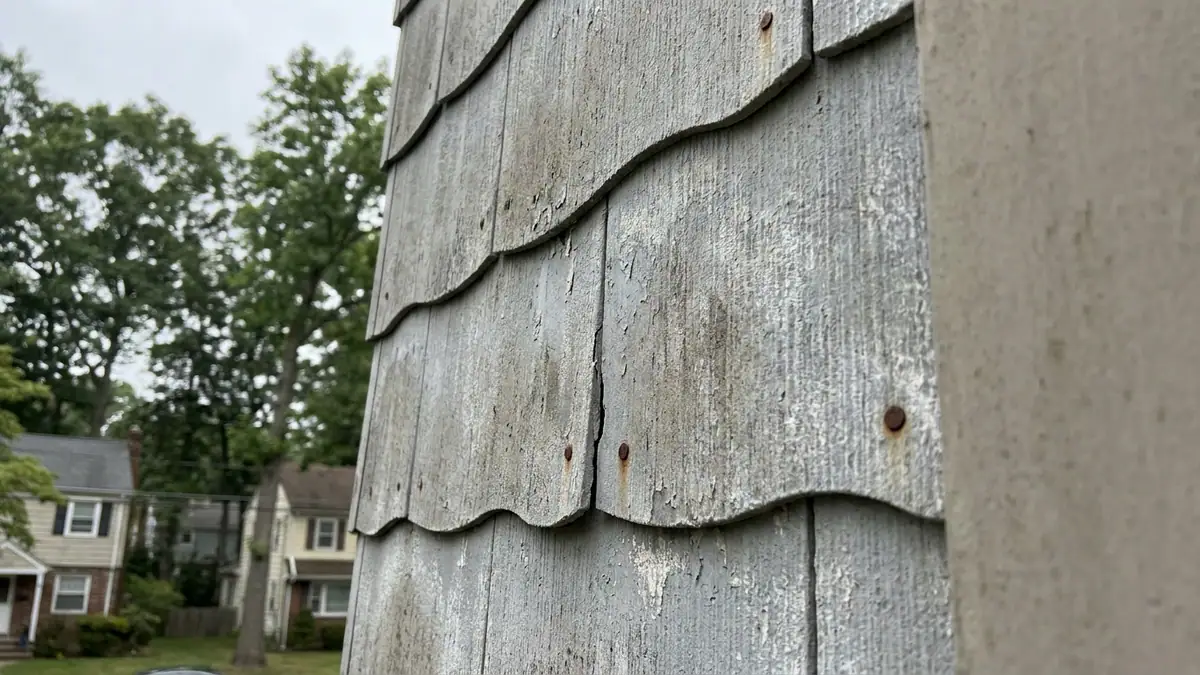
- Is the old siding coming off? Going over the top is faster and cheaper and hides everything above.
- What is happening at the soffit and fascia? These fail before the siding does, usually because of a gutter problem rather than a siding one.
A quote that specifies these is a quote for the job. A quote that only names a brand and a color is a quote for the part you can see.
When insulated vinyl is the right answer
It is a straightforward yes when your house has large flat wall planes where vinyl waviness would show, when the walls take physical abuse, when road noise is a live annoyance, or when you want the most solid-feeling vinyl wall available without moving to fiber cement and its weight, cost and repainting.
It is a weaker case on a small house broken up by windows and dormers, where the flatness advantage has little room to show, or when the budget would do more good on the attic.
Either way the answer depends on your walls, which is why it is worth having someone stand in front of them. Lightning Construction works across all 21 New Jersey counties. The inspection and written estimate are free with no obligation, there is no deposit, and there are no change orders — the written estimate is the final price. See the siding page or request a free estimate.