Short answer
New siding adds value, but rarely dollar for dollar in the sale price. What it reliably does is widen the pool of buyers, shorten how long the house sits, and remove the repair credits and inspection objections that eat into your net at closing. Failing siding costs you more at the negotiating table than fresh siding gains you on the list price.
On this page
- What new siding actually does to a sale price
- How an appraiser treats new siding
- When replacing siding before you list is worth it
- When a credit at closing beats a replacement
- What buyers and inspectors flag on a New Jersey exterior
- Picking a material when the plan is to sell
- What it costs in New Jersey
- Paperwork that helps at closing
- What to do next
New siding adds value when you sell, but almost never dollar for dollar in the list price. The real return shows up in three places: more buyers willing to tour the house, fewer days on market, and a shorter list of repair credits demanded after the home inspection. Siding that is cracked, chalked, rotted at the bottom course or patched in three colors costs you more in negotiation than new siding gains you on the asking price.
That is the honest version. Here is how it plays out on a real New Jersey sale.
What new siding actually does to a sale price
It changes how the house is categorized before anyone walks in.
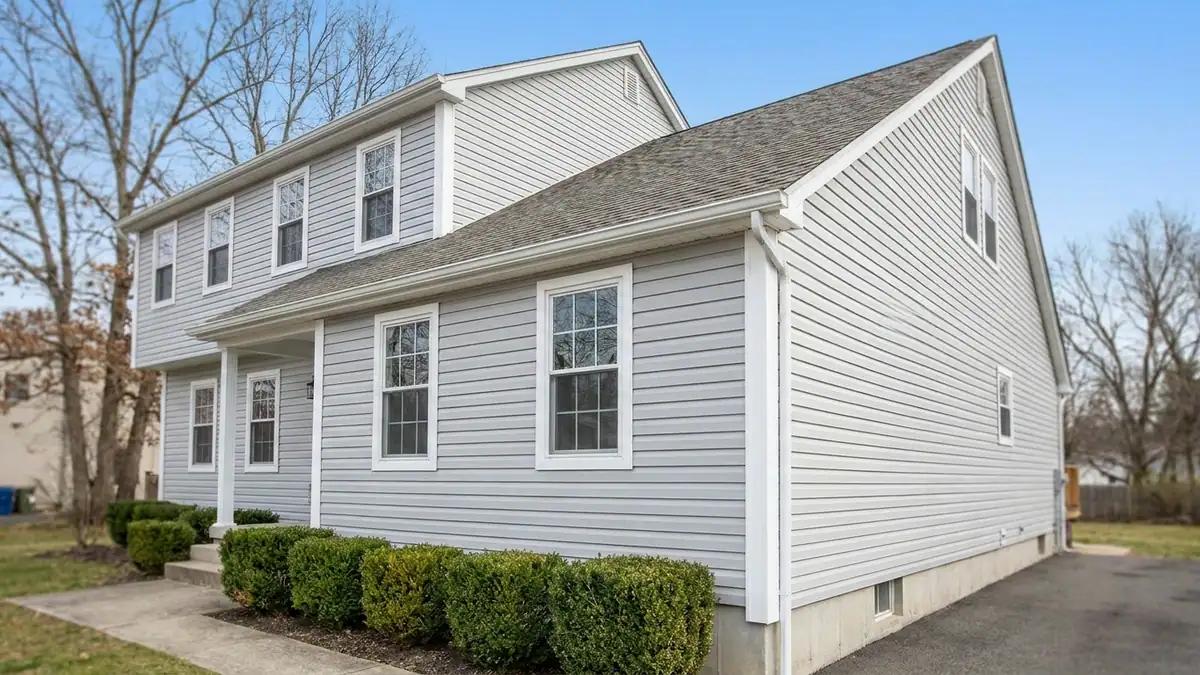
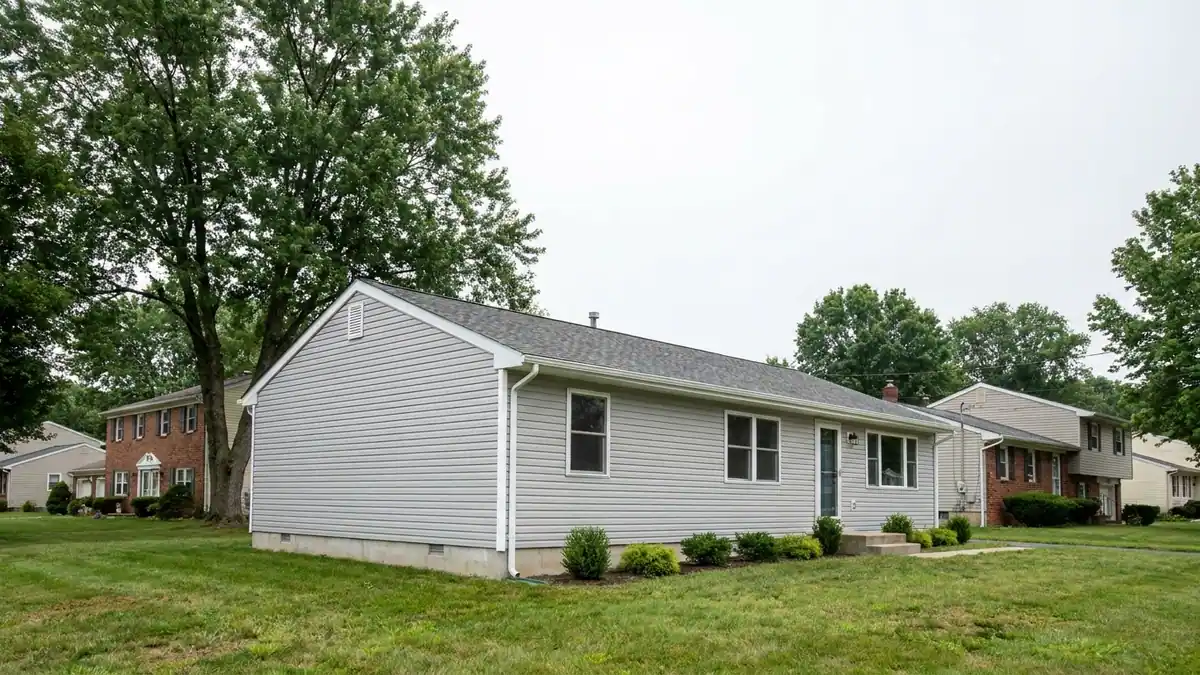
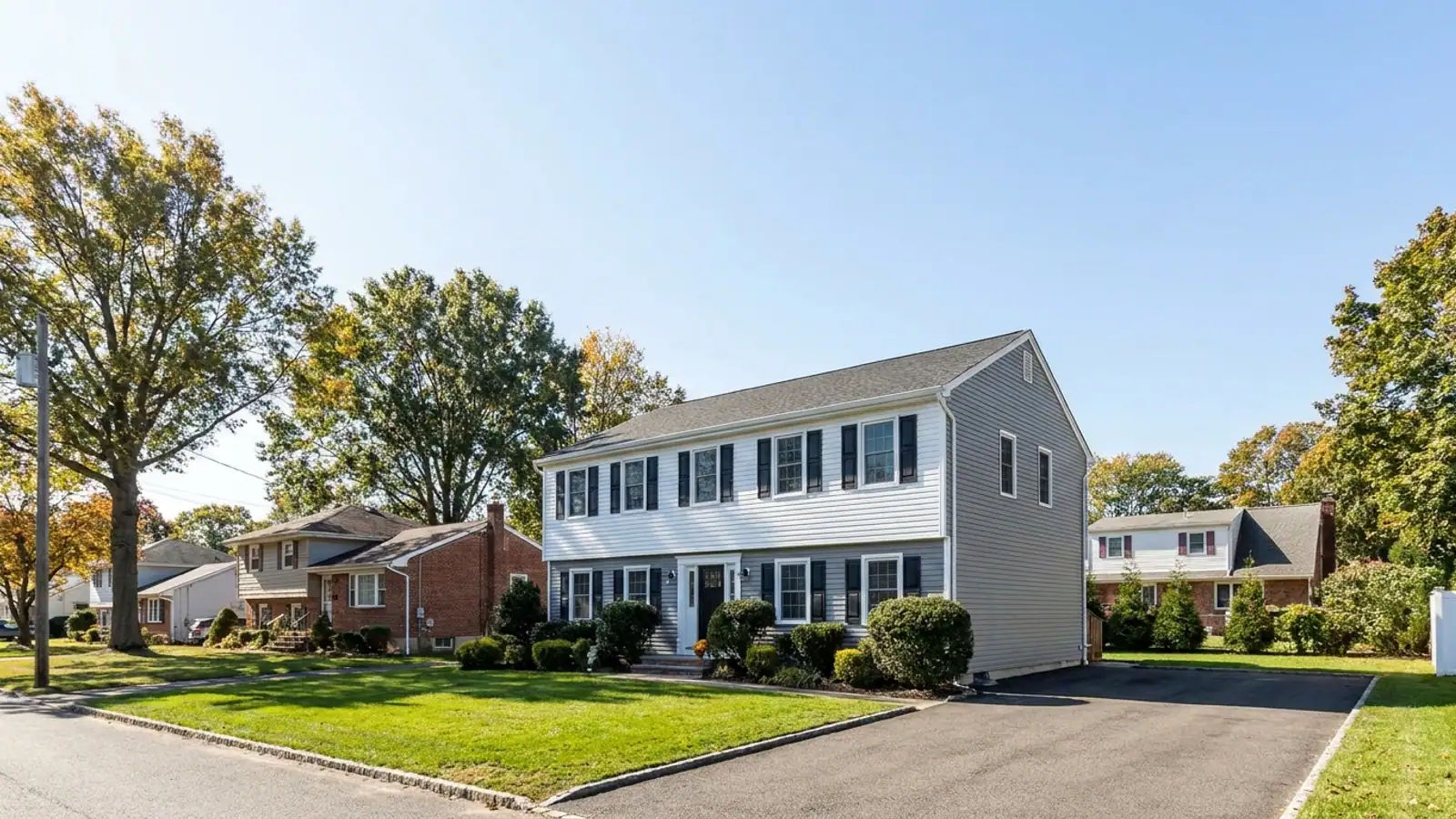
Most buyers find your listing on a phone. The exterior photo is the first filter and the drive-by is the second. A house with failed siding gets sorted into the pile marked "needs work," and buyers in that pile subtract more than the job costs, because they are guessing and guessing is always expensive. A house with clean walls, straight trim and matching corners gets sorted into "move-in ready" and the conversation starts somewhere else entirely.
What new siding does not do is hand you a guaranteed percentage back. Nobody can tell you the exact number for your house, and any contractor who quotes you a precise return on investment is quoting a national survey, not your street. The variables that matter are your block, your buyer pool and what the comparable sales look like.
How an appraiser treats new siding
An appraiser values your house against recent comparable sales, then adjusts for condition and features. New siding moves the condition adjustment. It does not get added to the comps as a line item equal to what you paid.
The practical effect is this: new siding mostly protects your appraised value rather than raising it above the neighborhood. It keeps the appraiser from writing down the exterior and keeps the lender from flagging deferred maintenance, which matters more than most sellers expect when the buyer is using an FHA or VA loan and the appraiser is looking specifically for peeling paint, exposed sheathing and rot.
When replacing siding before you list is worth it
Replace it when any of these are true.
- The siding is failing, not just dated. Cracked panels, open seams, soft spots behind the wall, or wood siding that has gone past paint and into rot.
- There is visible rot at the bottom course, around windows or at the roof-to-wall junctions. That is the item an inspector will write up and a buyer will use.
- The walls have been patched with mismatched panels. Nothing signals neglect faster than three shades of beige on one elevation.
- Your block has largely been re-sided and your house is the exception. Buyers compare against what they just toured.
- The house has been listed before and did not sell. Exterior condition is the cheapest fix for a photo problem.
When none of those are true, and the siding is simply a color nobody picks anymore, your money usually goes further on landscaping, trim paint and a thorough wash.
When a credit at closing beats a replacement
Sellers get told to never give credits. That is too simple. Here is the comparison.
| Replace before listing | Credit at closing | |
|---|---|---|
| Control of the price | Replace before listingYou get a written estimate and a fixed number | Credit at closingBuyer estimates high and negotiates from there |
| Effect on showings | Replace before listingImproves photos and drive-by traffic | Credit at closingNone, the house shows as is |
| Effect on buyer pool | Replace before listingOpens it to buyers who want move-in ready | Credit at closingNarrows it to buyers comfortable managing a project |
| Cash out of pocket | Replace before listingYes, before the sale | Credit at closingNo, comes off the proceeds |
| Best when | Replace before listingSiding is failing or dominates the curb view | Credit at closingDamage is isolated, small and easy to price |
If the problem is one elevation that took the weather, a targeted repair plus a documented estimate for the rest is often the better play. If the problem is the whole house, a credit just tells every buyer to deduct their worst-case number.
What buyers and inspectors flag on a New Jersey exterior
Home inspectors are consistent about the exterior. They look for ground contact at the bottom course, siding cut too tight around penetrations, missing or damaged J-channel at windows, soft fascia, open soffit panels, and staining under gutter joints. Most of those are water-management problems, not siding-material problems.
That is why siding and drainage get looked at together. A gutter that overflows at a corner stains and swells the wall underneath it every heavy rain, and new siding over bad drainage picks up the same stains within a couple of seasons. If your gutters are undersized, poorly pitched or leaking at the miters, fix that in the same project or the new wall starts aging early.
Picking a material when the plan is to sell
If you are selling within a year or two, quality vinyl in a color that fits the house and the street is the practical answer. It installs faster, costs less than fiber cement, and buyers do not pay a premium for an upgraded material they did not choose. If you are staying several more years, or the surrounding houses set a higher expectation, fiber cement earns its cost over time. The siding options guide breaks down how the two compare on durability, maintenance and look.
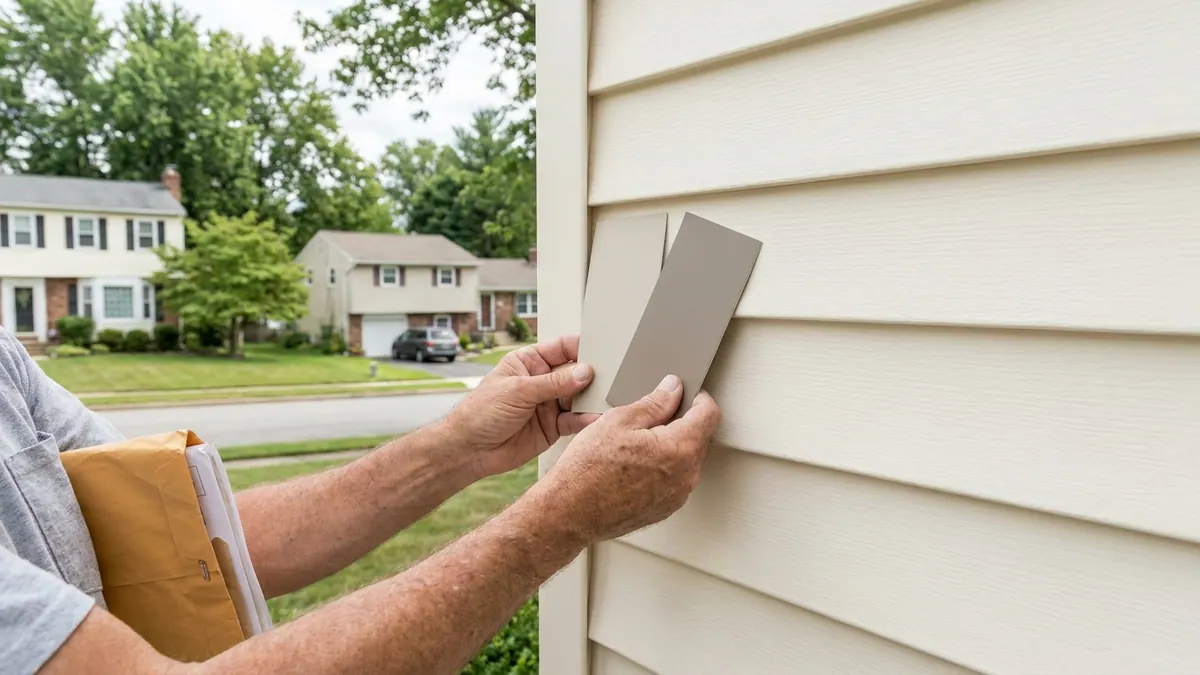
Color advice for a sale is narrow on purpose: pick something that reads clean against your roof and your fixed materials, like brick or stone, and skip the statement color. You are selling to a stranger, not decorating.
What it costs in New Jersey
Siding replacement runs $10,000 to $22,000 in standard-value towns, $16,000 to $38,000 in higher-value towns, and $30,000 to $70,000 for large or luxury homes. The band comes from the median home value of your municipality using ACS 2024 five-year estimates, not from the material you pick. Wall area, the number of stories, how much trim, soffit and fascia is involved, and what the crew finds behind the old siding move the total within the band.
Lightning Construction takes no deposit on siding work. Nothing is due until the job is finished and you have inspected it, which matters when you are also paying for staging, a storage unit and a move. There are no change orders either. Rot, failed house wrap and bad flashing are identified at the free inspection and priced into the written estimate, so the number you sign is the number you pay. Financing is available through GreenSky and FTL, including 24 months at 0 percent interest and 120-month terms with no prepayment penalty, and that matters for sellers who would rather pay out of the closing proceeds.
Paperwork that helps at closing
Give the buyer a file. It should include the written estimate, the workmanship coverage, the manufacturer warranty documents for the siding product, and the closed permit. Lightning pulls the permit from your municipality's construction office under the New Jersey Uniform Construction Code and attends the inspection, so you file nothing and there is a municipal record the buyer's attorney can confirm. An unpermitted exterior job discovered during attorney review slows a closing down and can cost you a concession.
Also confirm whether the manufacturer warranty transfers to the new owner and what the transfer requires. A transferable warranty is a real selling point and costs you nothing to mention in the listing.
What to do next
Get the walls looked at before you set a list price, not after the first offer comes in with an inspection addendum attached. A free inspection and written estimate tells you exactly what the repair exposure is, which lets you decide between replacing, repairing one elevation, or pricing the house to reflect it. A salesperson comes to the house for the appointment, it takes one visit, and there is no obligation.
See what is involved on the siding page, then book a free estimate. Lightning Construction is veteran-owned and family-operated, licensed and insured, New Jersey Home Improvement Contractor registration 13VH12437000, and serves all 21 New Jersey counties.