Short answer
Most asphalt roof replacements in Ocean County run $9,000 to $22,000 in standard-value towns and $14,000 to $35,000 in higher-value towns, with large or luxury homes at $25,000 to $60,000. The band is set by the municipality's median home value from ACS 2024 five-year estimates. Where you land inside that band depends on roof size, pitch, how many shingle layers are already up there, decking condition and how much flashing the roof needs.
On this page
- The three price bands, and which one applies to you
- What moves your number inside the band
- What Ocean County's housing stock does to the number
- Coastal exposure, and what it actually adds
- What has to be in writing before you sign
- How Lightning Construction prices and bills an Ocean County roof
- What to do next
Most asphalt roof replacements in Ocean County run $9,000 to $22,000 in standard-value towns and $14,000 to $35,000 in higher-value towns. Large or luxury homes run $25,000 to $60,000. The band your house falls into is set by your municipality's median home value from the ACS 2024 five-year estimates. Everything after that is your own roof: its size, its pitch, what is already nailed to it, and what the crew finds under the shingles.
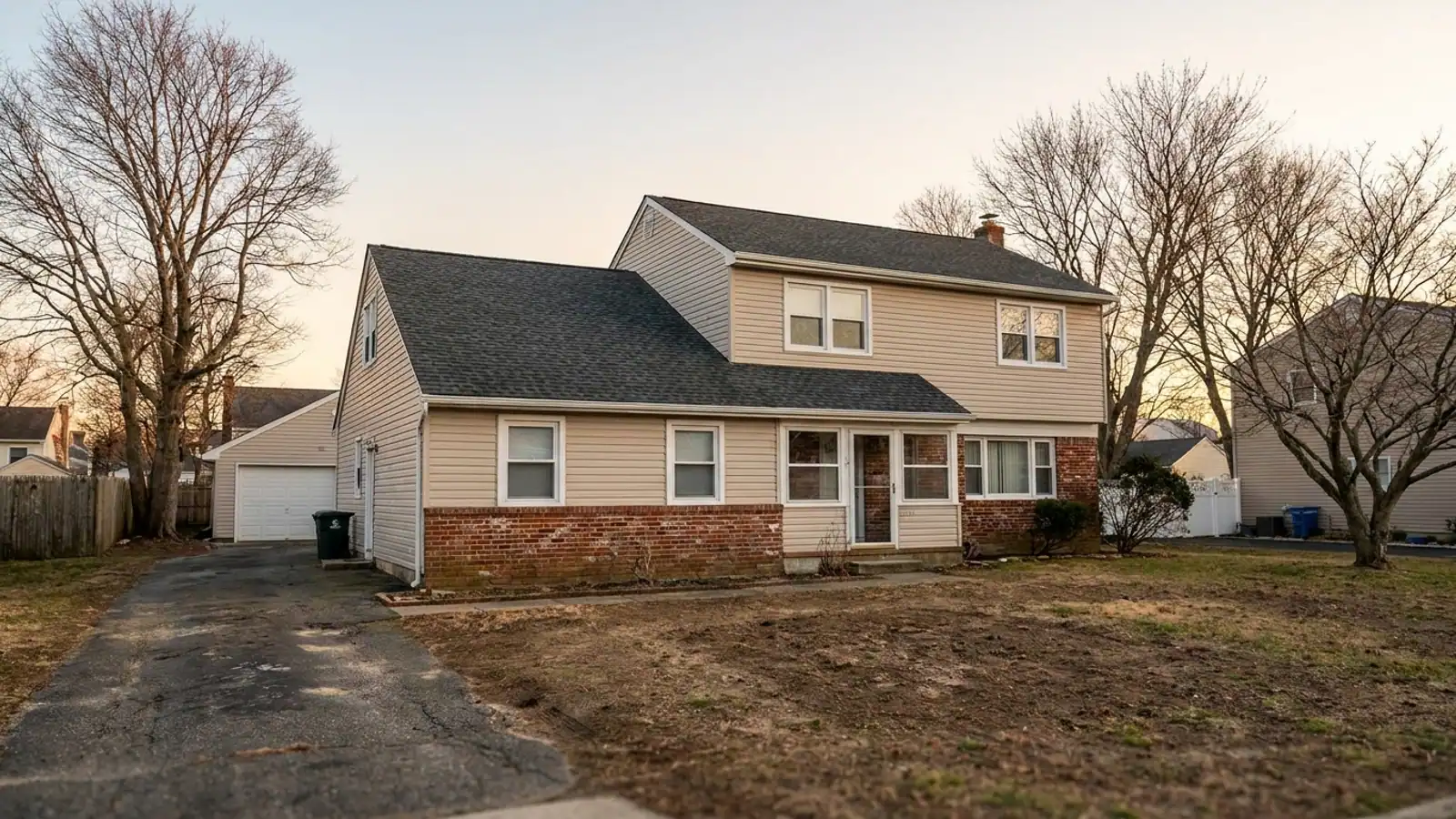
Ocean County has 33 municipalities and roughly 296,357 housing units, and they are not the same kind of house. A 1970s ranch set back from the water and a large newer colonial in an inland township sit in different bands before anyone measures a single slope. That is the part homeowners usually miss when they compare a neighbor's number to their own.
The three price bands, and which one applies to you
| Band | Asphalt roof replacement |
|---|---|
| BandStandard-value municipality | Asphalt roof replacement$9,000 to $22,000 |
| BandHigher-value municipality | Asphalt roof replacement$14,000 to $35,000 |
| BandLarge or luxury home | Asphalt roof replacement$25,000 to $60,000 |
Those are ranges, not quotes. Nobody can tell you where you land inside one over the phone, and a contractor who gives you a firm number without walking the roof is guessing or baiting. If you want the full breakdown of what sits behind these ranges statewide, the New Jersey roof cost guide covers it in depth.
Standing-seam and metal shingle systems are a separate scale: $18,000 to $35,000 in standard-value towns and $28,000 to $55,000 in higher-value towns, with 50-plus year material life.
What moves your number inside the band
Roof size and complexity
Square footage is the base, but complexity is what separates two houses of the same size. Every valley, every dormer, every chimney and every pipe penetration is a cut, a flashing detail and labor time. A simple gable ranch and a cut-up colonial with three dormers can be the same square footage and not the same price.
Pitch and access
A walkable pitch gets worked from the roof. A steep one needs staging, harnesses and more hours for the same number of squares. Access matters too. If the only place for the dumpster is 80 feet from the eave, the tear-off takes longer.
Existing layers
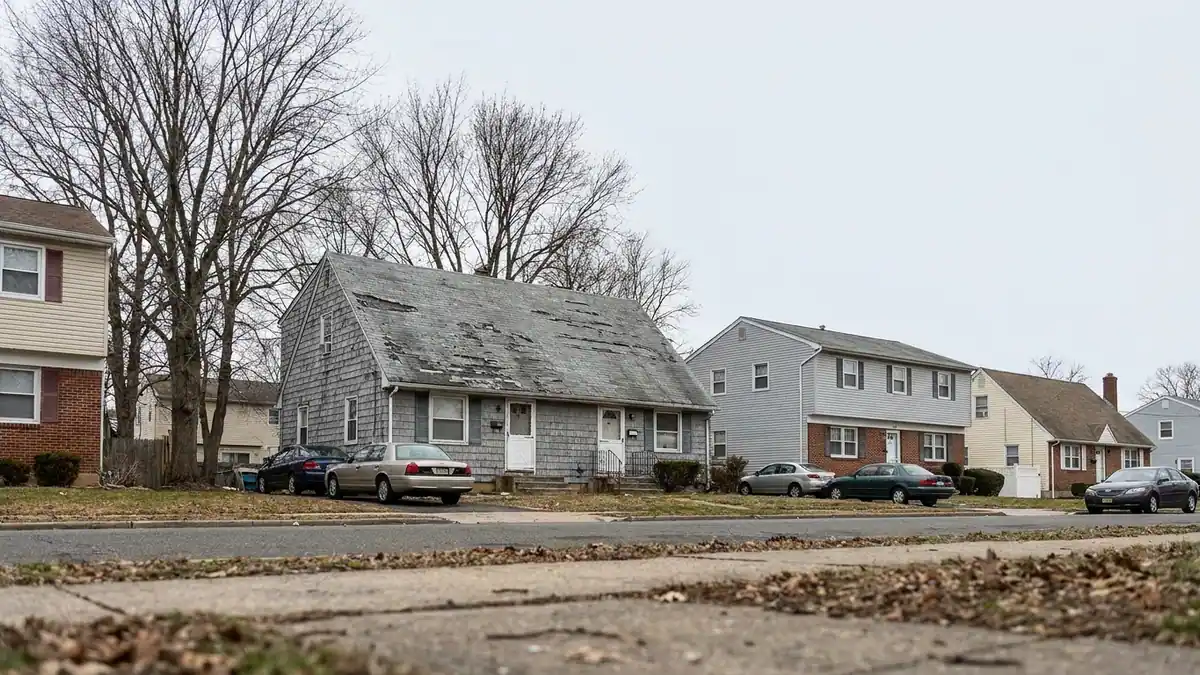
Two layers of shingles means twice the tear-off labor and roughly twice the disposal weight. In Ocean County's older neighborhoods this is common, because a house built in the 1970s has likely been roofed twice already. The layers get counted at the inspection, not after the first shingle comes off.
Decking condition
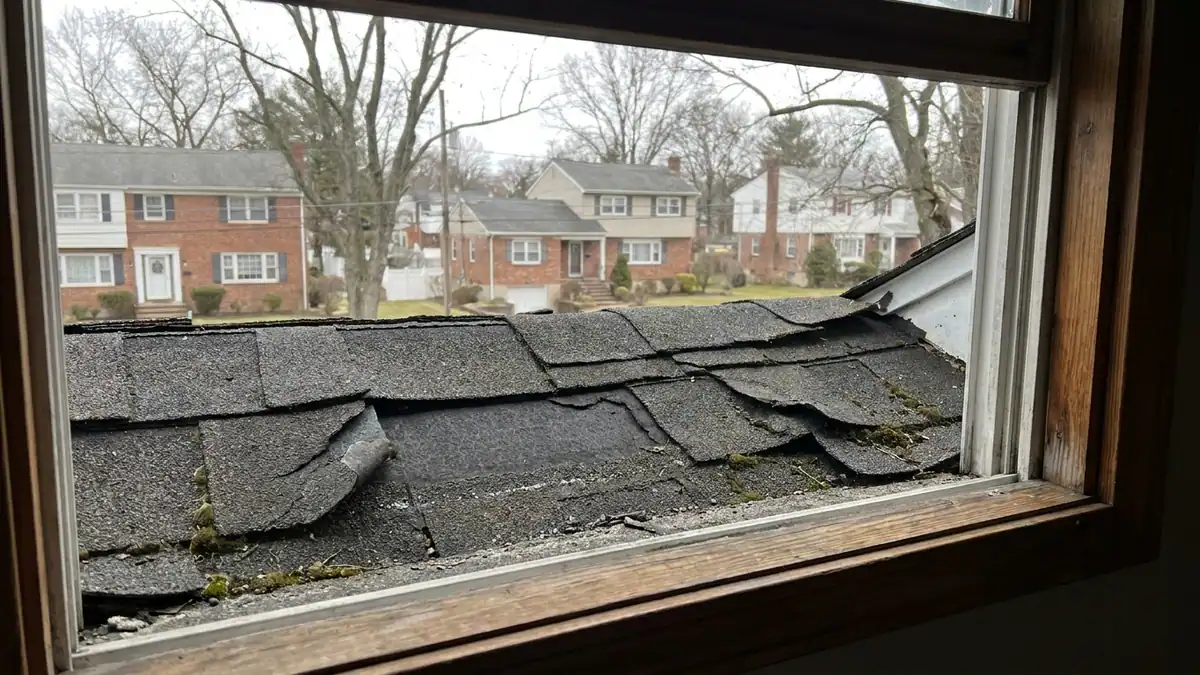
Plywood or plank sheathing that is soft, delaminated or broken will not hold a nail, and it has to be replaced before anything new goes down. This is the single most common reason a cheap quote becomes an expensive job on the day. Lightning Construction finds it at the free inspection and prices it into the written estimate, so there are no change orders.
Flashing, ventilation and edge metal
Step flashing at sidewalls, counter flashing at a chimney, drip edge, valley metal and ridge or soffit ventilation are all real line items. A quote that is thousands below the others usually reuses old flashing. That is where leaks start, and it is not a saving.
What Ocean County's housing stock does to the number
The county's towns were built in waves, and the wave your house came from predicts most of what the crew will find.
In Toms River, the median home was built in 1978. Brick's median is 1976. Those roofs are on their second or third covering, their decking has taken decades of weather, and many were vented to a 1970s standard rather than the balanced intake and exhaust a current roof system expects. Expect decking repair and ventilation work to show up as real items on the estimate.
Jackson's median home was built in 1989 and Lakewood's in 1994. Newer stock, often larger, often with more complicated rooflines, steeper pitches and more penetrations. The decking is usually sound, but the roof area and the cut-up geometry push the labor up.
You can see the rest of the county, municipality by municipality, on the Ocean County service area page.
Coastal exposure, and what it actually adds
The closer you are to open water, the more wind and salt your roof takes. That changes specification more than it changes square footage. On exposed sites the sensible build includes a higher wind-rated architectural shingle installed with the manufacturer's enhanced nailing pattern and matched starter strip, ice and water protection at the eaves and in the valleys, and corrosion-resistant metal at the edges and penetrations. Each of those is a modest line item on its own, and together they move you within your band rather than out of it. The Jersey Shore roofing guide goes through the salt and wind detailing in full.
If your house is inland in a wooded township, the pressure is different. Shade, moss and tree debris matter more than wind uplift, and overhanging limbs drive both the debris load and the physical damage.
What has to be in writing before you sign
Ask for all of this on the estimate, and read it before you agree to anything:
- The number of squares and the pitch the price is based on.
- How many existing layers are being removed, and the disposal included.
- The specific shingle line and color, plus starter strip, hip and ridge cap, and underlayment by name.
- Decking replacement: how much is included and what the price is per sheet if more is needed.
- Every flashing item being replaced, including step flashing, valley metal, drip edge and chimney counter flashing.
- Ventilation: what intake and exhaust the new roof will have.
- The permit, who pulls it, and who attends the municipal inspection.
- The workmanship warranty and the manufacturer warranty tier being registered.
If an item is not on the paper, it is not in the price, no matter what was said in the driveway.
How Lightning Construction prices and bills an Ocean County roof
There is no deposit. Nothing is due until the work is finished and you have inspected it. There are no change orders, because the written estimate is the final price and the conditions that normally trigger one are found at the free inspection and priced in. Lightning pulls the permit from your municipality's construction office under the New Jersey Uniform Construction Code and attends the inspection, so you file nothing.
The inspection and written estimate are free with no obligation, and a salesperson does come to the house. Most asphalt replacements are torn off and finished in a single day. Standing-seam metal takes two to four.
Financing is available through GreenSky and FTL, including 24 months at 0 percent interest and 120-month terms with no prepayment penalty. If you are looking at any incentive or rebate program, confirm what is current with a tax professional before you count on it.
What to do next
Get the roof measured and the attic looked at before you shop numbers, because a price with no measurement behind it tells you nothing. Lightning Construction is veteran-owned, family-operated, GAF Certified, licensed and insured under New Jersey Home Improvement Contractor registration 13VH12437000, and rated 4.9 out of 5 from 264 Google reviews. Book a free inspection and written estimate and you will have a real Ocean County number, in writing, with no deposit attached to it.